What happens when you spend months preparing for a peaceful home birth, only to be told that you are not dilating and your baby probably will not arrive that night? For many women, that news would bring discouragement, especially after hours of contractions and the anticipation of finally meeting their baby. But for Vanessa Suggs, what initially felt like a disappointing setback became the beginning of one of the most remarkable moments of her birth journey.
After a difficult first hospital birth that left her son with a broken collarbone, Vanessa began searching for a different approach to childbirth. Through the Pain Free Birth course, prayer, and a growing understanding of physiological birth, she experienced a beautiful second birth at home. By her third pregnancy, she had an even clearer vision of what she wanted: a peaceful water birth, a deeper level of surrender, and the opportunity to breathe her baby out without forceful pushing.
Yet when labor began, things did not immediately unfold as expected. After hours of contractions, Vanessa learned that she was still zero centimeters dilated. Her midwife encouraged her to rest and eventually went home. Less than two hours later, Vanessa was holding her 9 lb 12 oz baby in her arms after a peaceful home water birth without tearing or coached pushing. Her story is a powerful testimony of preparation, faith, and learning to trust the process even when circumstances seem to suggest something different.
How a Difficult Hospital Birth Changed Vanessa’s Perspective
Long before Vanessa became a mother, someone introduced her to the possibility of home birth. While attending college, her Bible study leader mentioned that she had given birth to her children in her own bedroom. Vanessa was surprised. At the time, she thought home birth was something that happened accidentally or out of necessity, not something a woman would intentionally plan. Although the idea seemed unfamiliar, she remembered the conversation.
Years later, when Vanessa and her husband, Skylar, discovered they were expecting their first child, they briefly considered home birth. Neither felt completely comfortable with the idea, so they chose a hospital delivery. Both had athletic backgrounds, and Vanessa had played professional basketball. She assumed that her physical strength and experience overcoming difficult challenges would help her navigate childbirth without much preparation.
But her first birth proved more complicated than she anticipated. Vanessa received an epidural, and during delivery, her baby experienced shoulder dystocia. His collarbone was broken as he was delivered. Looking back, Vanessa remembers feeling that she did not understand her options or know how to advocate for herself. She had not hired a doula, and neither she nor Skylar felt equipped to navigate the decisions being made.
The experience left Vanessa wondering whether things could have been different. Although shoulder dystocia is a serious obstetric emergency that requires prompt intervention, Vanessa wished she had understood more about birth positions and the options available during delivery. She realized that being physically strong was not the same as understanding birth physiology, and she wanted to approach her next pregnancy with greater knowledge and confidence.
Discovering Pain Free Birth and Preparing for a Different Experience
During her second pregnancy, Vanessa was coaching basketball when she learned that the sister of one of the girls she coached had recently given birth at home. The story immediately brought back her earlier interest in home birth. She connected with the woman, met her midwife, and began exploring whether home birth was the right choice for her family.
Around the same time, Vanessa discovered Pain Free Birth through Instagram. She eventually enrolled in the childbirth education course, although she was already in her third trimester. Rather than allowing the late start to discourage her, she immersed herself in the material, taking detailed notes and revisiting the lessons that stood out most.
What surprised Vanessa was how dramatically education changed her perspective. Before taking the course, she believed that learning about potential birth complications might make her more fearful. Instead, understanding the physiological process helped her feel empowered. She began recognizing why patience mattered during labor, how movement and positioning could support comfort, and why she did not need to view every contraction as something to overcome.
Vanessa also began to appreciate that labor was not simply a test of endurance. It was a process she could learn to understand and participate in. She no longer wanted to rush her baby or become discouraged when labor took time. The education she received became foundational to her next two births, helping her replace uncertainty with a deeper sense of confidence.
The 30 Prayers That Became Part of Her Birth Preparation
Alongside childbirth education, Vanessa and Skylar began approaching pregnancy through intentional prayer. After their first son’s birth, they created a list of specific desires for future deliveries. The list eventually grew to approximately 30 requests, including protection from birth injuries, a peaceful labor, confidence in God, and a birth without unnecessary complications.
Vanessa also prayed for experiences that were deeply personal to her. Because she had torn during previous births, she hoped to deliver without tearing, stitches, or the stinging sensations she remembered. She prayed that her water would not break before her body was ready and that labor would unfold quickly and peacefully.
At the top of their list, Vanessa and Skylar wrote 1 John 5:14, a verse about having confidence that God hears prayers offered according to His will. Each evening, they prayed through the list together. Vanessa describes this practice as much more than repeating words. It was a way of bringing her desires before God and intentionally shifting her focus away from fear.
Whenever she learned about something that could happen during labor, such as back labor or cervical swelling, she chose to pray about it rather than dwell on the possibility. She also acknowledged that not every request would necessarily unfold exactly as she imagined. For Vanessa, the practice was about remaining connected to God throughout pregnancy, learning to acknowledge what she wanted, release what she feared, and continue trusting when circumstances looked different from her expectations.
What Her Second Home Birth Taught Her About Breathing
Vanessa’s second birth was a beautiful experience, but it also gave her lessons she wanted to carry into her third pregnancy. One of the most significant involved breathing during the final stages of labor.
As her second baby was descending, Vanessa remembers crying out to God for help. Almost instinctively, she began taking deep, rhythmic breaths. She did not fully understand the technique at the time, but it felt natural and peaceful. Afterward, her midwife explained that the breathing appeared to be helping her baby move downward.
Vanessa later recognized the similarity between what she had done and the J breathing technique taught in the Pain Free Birth course. Rather than relying on prolonged breath-holding and forceful pushing, the technique emphasizes breathing downward while remaining relaxed.
The experience left a lasting impression. Vanessa felt that she had discovered a way to work with the natural sensations of birth instead of trying to force the process forward. She decided that during her next delivery, she wanted to focus on breathing and allowing her body to guide her.
She also learned another practical lesson during her second home birth. Although she had hoped to labor in a birth pool, her baby arrived before anyone could fill it. Her midwife’s assistants and doula had not arrived in time, leaving no one available to prepare the water. When she became pregnant again, she knew she wanted to experience a water birth if circumstances allowed.
Preparing for Her Third Birth With a New Focus on Surrender
By her third pregnancy, Vanessa had become much more confident in her ability to give birth. She returned to her Pain Free Birth notes, reviewed the course videos, and reflected on the lessons she had learned during her previous deliveries. Each birth had helped her understand something new about her body, her thoughts, and the importance of remaining patient.
Her biggest goal for this birth was surrender. Vanessa wanted to avoid trying to control every moment or rushing through sensations simply because they became intense. She hoped to remain present, breathe through the final stages, and allow her body to guide the process.
She was also determined to prepare the birth pool ahead of time. This time, she and her midwife made sure the pool was inflated and ready so that it would only need to be filled once labor began. At the same time, she was careful not to become so attached to the pool that her peace depended on using it.
Her second birth had taught her that plans could change quickly. She wanted to prepare for the experience she desired while remaining open to whatever her baby needed. This balance between preparation and surrender became especially important once labor began.
Prodromal Labor and the Uncertainty of When Birth Would Begin
As Vanessa approached her due date, she began experiencing prodromal labor, something she had not encountered during her previous pregnancies. Twice, she experienced contractions that seemed to suggest labor might be beginning, only for the sensations to eventually stop.
By the time she reached 40 weeks and three days, Vanessa was no longer certain how to interpret what her body was doing. The repeated false starts had made her question whether contractions meant her baby was truly on the way.
Around 5 p.m. on a Friday evening, contractions began again. Vanessa decided to remain calm rather than immediately assuming active labor had started. Skylar handled dinner and bedtime for their older children while she focused on breathing through the sensations.
After the children were asleep, they continued their usual Friday night tradition of watching a movie together. Vanessa chose something funny because she wanted to laugh, relax, and avoid becoming overly focused on every contraction. She moved gently on her birth ball and used an exercise machine periodically, allowing herself to remain active without trying to force labor to progress.
Around 10 p.m., she felt a gush of fluid that she believed was her water breaking. Because she and Skylar had been praying that her water would not break before her body was ready, Vanessa felt encouraged that her baby might finally be coming.
Although the contractions became stronger, they were not particularly consistent. Around 12:30 a.m., Vanessa and Skylar decided it was time to call their midwife.
Zero Centimeters Dilated and the Discouragement That Followed
When Vanessa’s midwife arrived, she began preparing the birth supplies and offered to check Vanessa’s cervix. This was a meaningful decision because cervical checks had been discouraging during Vanessa’s first hospital birth. She remembered laboring for hours, feeling exhausted and frightened, only to discover that she had not dilated as much as she expected.
During her second home birth, she had chosen not to have cervical checks. She understood that dilation was only one part of assessing labor progress, and she did not want to become emotionally attached to a number. This time, however, the uncertainty surrounding her prodromal labor made her curious. She agreed to the examination.
The result was devastating. Vanessa was zero centimeters dilated, and her cervix was still positioned high and posteriorly. Based on the examination and the way she appeared to be managing contractions, her midwife believed the baby was unlikely to arrive that night.
She recommended slowing things down and attempting to rest. Vanessa remembers feeling completely defeated. The contractions had become too intense for her to imagine sleeping comfortably, and she struggled to understand how she could be experiencing so much activity without measurable dilation.
At approximately 1:55 a.m., her midwife left. Vanessa texted her mother, who had gathered people to pray for her, and admitted how discouraged she felt. She had spent months preparing for this birth, yet now she was questioning whether she understood her own body.
A Moment of Prayer and an Unexpected Shift in Labor
After the midwife left, Vanessa and Skylar tried to follow her recommendation to rest. They got into bed, and Skylar held his wife as she attempted to settle down. But after another contraction, Vanessa knew she could not remain there.
She got up and went into the bathroom, carrying the disappointment of what she had just been told. She remembered the prayers she and Skylar had spoken throughout pregnancy, especially their desire for a quick labor after her water broke.
At approximately 2:10 a.m., Vanessa began declaring aloud that they were having their baby that night. She spoke with the confidence she had been cultivating throughout pregnancy, choosing to return to her faith rather than remain consumed by discouragement.
Vanessa remembers feeling a dramatic shift shortly afterward. She began sensing her baby moving lower, describing the sensation as though he were swimming downward. Her contractions intensified, and she realized something was changing quickly.
She also began feeling cold and shaky, sensations that reminded her of her first hospital birth. Rather than remaining still, she remembered the importance of adjusting her environment and movement when something was not helping.
She tried dancing and pacing, but what she really wanted was the warm birth pool. Skylar initially questioned whether they needed to fill it because the midwife had only recently suggested that labor might take much longer. But Vanessa could feel what was happening inside her body, and she knew she needed his help.
Warm Water, Worship, and the Support of Her Husband
As Skylar filled the pool, Vanessa continued working through contractions. They had prepared pots of water on the stove, and he began carrying warm water over to help bring the pool to a comfortable temperature.
When Vanessa finally climbed in, she immediately felt relief. The warmth helped settle the cold, shaky sensations she had been experiencing, and she was able to relax into a position that felt comfortable. For Vanessa, the water transformed the atmosphere of labor. She could settle into the sensations instead of feeling distracted by discomfort.
Skylar continued moving between filling the pool and supporting his wife. Whenever Vanessa called for him, he stopped what he was doing and came to her side. He rubbed her back, reminded her to breathe, and stayed close when she needed reassurance.
Then something unexpected happened. Skylar began singing.
Vanessa describes the melodies as spontaneous and deeply spiritual. He sang about breathing and the Holy Spirit, weaving encouragement into the music as she labored. Although she had never heard him sing those particular melodies before, they became exactly what she needed.
She remembers feeling completely open to receiving his support. Rather than being distracted by his singing, she found it uplifting and peaceful. His presence helped her remain grounded during an increasingly intense stage of labor.
Releasing Anger and Learning to Trust Again
Even after settling into the water, Vanessa realized she was still carrying difficult emotions from the cervical examination. She felt hurt and frustrated that her midwife had left when she believed something significant was happening in her body.
Vanessa understood that her midwife had made a recommendation based on the information available at the time. Still, the experience had shaken her confidence, and she needed to process the disappointment.
She began praying for peace and asking God to help her release the anger. Rather than pretending those feelings did not exist, she acknowledged them and sought a way to move forward.
This was an important lesson Vanessa had learned through Pain Free Birth. She had become more aware of how fear, frustration, and tension influenced her experience of labor. She wanted to recognize those emotions without allowing them to dominate her thoughts.
The connection between emotional well-being and physical comfort during labor can be meaningful, although cervical dilation is not something a woman can simply control by changing her thoughts. Vanessa’s experience illustrates the value of feeling emotionally supported and finding ways to manage distress during childbirth.
As she continued praying and receiving encouragement from Skylar, Vanessa felt increasingly peaceful. Her attention returned to breathing, relaxing, and responding to what her body was doing.
From Zero Dilation to the Urge to Push in Under Two Hours
At approximately 3:30 a.m., Skylar called the midwife and told her she needed to return. Labor had intensified dramatically, and Vanessa was experiencing sensations that suggested her baby was moving down.
Only two minutes later, he called again. Vanessa was feeling the urge to push.
She could hardly believe it. Less than two hours earlier, she had been told she was zero centimeters dilated with a posterior cervix. Now her body was signaling that her baby was ready to be born.
The rapid progression was astonishing, especially because Vanessa had been so discouraged by the earlier examination. But she remembered her preparation and the lesson she had learned during her second home birth.
She did not want to forcefully push simply because she felt the urge. Instead, she wanted to breathe and allow her body to guide the process.
Vanessa reached down to feel what was happening and began taking deep, rhythmic breaths. This time, she recognized the breathing pattern immediately. She understood the sensations and felt confident continuing with the technique.
She estimates that she spent approximately five minutes breathing as her baby’s head descended and emerged. Although the sensations were intense, she describes this part of the birth as peaceful and pain-free.
Her midwife was on the way, but Vanessa’s baby was not waiting.
Breathing Out Her 9 lb 12 oz Baby Without Tearing
As Vanessa continued breathing, she felt something emerging and reached down to understand what it was. During her previous home birth, her amniotic sac had been bulging, so at first she wondered whether she was feeling something similar.
Then her fingers touched her baby’s face. She could feel his nose.
Vanessa was overwhelmed with amazement. She had breathed through the birth of her baby’s head without intentionally bearing down, and she could hardly believe he was already there.
She continued allowing her body to work as her baby shifted into position for the rest of his birth. Approximately two minutes later, she released a powerful vocalization, and her body completed the delivery.
Vanessa reached down, gathered her baby into her arms, and leaned back in the warm water, thanking Jesus.
Her son weighed 9 pounds, 12 ounces, making him the largest of her three babies. Despite having experienced tearing during her first two births, Vanessa did not tear this time.
For her, the moment represented the culmination of everything she had been learning. She had prepared through education, practiced breathing, prayed over her desires, and focused on remaining patient rather than rushing the final moments.
Gentle breathing and spontaneous pushing can be helpful options for some women, but they do not guarantee a tear-free birth. Every delivery is influenced by individual anatomy, fetal position, tissue characteristics, and other factors. Vanessa’s experience was her own, and she remembers it as an extraordinary answer to prayer.
A Birth That Happened Before the Midwife Returned
One of the most surprising details of Vanessa’s third birth is that her midwife arrived moments after the baby was born. For the final minutes, it had been just Vanessa and Skylar together in their home.
Skylar had been an incredible support throughout labor, but even he was surprised by how quickly everything happened. When their baby’s head emerged, he was unsure what to do next. Vanessa, however, felt connected to the process and continued following her body’s sensations.
After their son arrived, the couple could hardly comprehend what they had experienced. Only a short time earlier, they had been preparing for a long night of labor. Now they were holding their newborn.
The midwife arrived shortly afterward and was able to assess Vanessa and her baby. Her presence also became important during another unexpected moment.
After Vanessa delivered the placenta, Skylar suddenly fainted.
Vanessa laughs about it now, remembering that her husband, a large former professional athlete, had managed to remain strong and supportive throughout the entire birth before finally collapsing afterward. Thankfully, the midwife was there. The moment became a humorous ending to an otherwise astonishing night.
Choosing a Slower and More Sacred Postpartum Season
Vanessa’s third birth also changed the way she approached postpartum recovery. During her first two postpartum experiences, her athletic mindset had encouraged her to return to normal activities quickly. She was accustomed to being active and independent, and slowing down did not come naturally.
Near the end of her third pregnancy, Vanessa discovered the book The First Forty Days. Its emphasis on rest, nourishment, warmth, and allowing the body time to recover deeply affected her.
She remembers becoming emotional as she read about the importance of being cared for after childbirth. The idea of allowing her husband to take on more responsibilities while she rested felt like a significant request, even though he was completely supportive.
This time, Vanessa decided to do things differently. She prepared freezer meals before giving birth and made arrangements that would allow her to spend more time resting with her newborn.
After the birth, Skylar cared for their older children while Vanessa remained in bed with the baby. He brought her meals, and their children joined her for cuddles and reading. Instead of rushing back into household responsibilities, she allowed herself to enjoy the quiet intimacy of those early days.
Vanessa describes that season as one of the most beautiful parts of her entire experience. She wished she had understood the importance of postpartum rest during her previous births. For her, surrender did not end when her baby was born. It continued as she learned to receive care, accept help, and allow herself time to recover.
Vanessa’s Advice for First-Time Moms Preparing for Birth
When asked what she would tell a first-time mother who feels nervous about childbirth, Vanessa emphasized the importance of preparation, intuition, and choosing supportive voices.
She encouraged women to educate themselves rather than avoiding information because they are afraid of what they might learn. Her own experience taught her that understanding birth physiology could replace uncertainty with confidence and help her approach labor more patiently.
Vanessa also encouraged mothers to acknowledge their fears instead of hiding them. During her births, she asked her midwife and loved ones to pray for her when she felt overwhelmed. She learned that expressing fear and receiving encouragement could help her return to a place of peace.
Another important lesson involved protecting her birth environment. During her first home birth, Vanessa and Skylar chose not to tell many people about their plans because she did not want unsolicited opinions to undermine her confidence. By her second home birth, she felt much more secure in her decision.
Her advice was about becoming informed, choosing qualified care providers, and surrounding yourself with people who respect your decisions and support your well-being.
What Vanessa’s Birth Taught Her About Faith and Surrender
Looking back, Vanessa sees her third birth as a testimony of God’s faithfulness and a continuation of lessons she had been learning throughout motherhood.
The experience did not unfold exactly as she expected. She experienced prodromal labor, questioned whether her contractions were productive, and felt deeply discouraged after learning she was not dilating. Her midwife left, and she had to navigate an unexpected emotional shift before labor progressed rapidly.
Yet throughout those challenges, Vanessa continued returning to the practices she had developed during pregnancy. She prayed, breathed, moved, accepted support, and reminded herself that she did not need to control every moment.
Her birth also reinforced the importance of surrender in motherhood. Just as she had learned to release the need to control labor, she recognized that raising children would continually invite her to practice patience, faith, and trust.
Vanessa began extending her prayers beyond her own family, keeping a list of other pregnant women and praying for them regularly. She wanted other mothers to experience the peace and encouragement that had become so meaningful in her own pregnancies.
At the end of the podcast episode, she prayed for listeners to bring their desires and worries before God, asking for peace, patience, and the ability to surrender even when they felt uncertain.
A Beautiful Testimony of Preparation, Prayer, and Trust
Vanessa began her motherhood journey with a hospital birth that left her wishing she had known more. During her next pregnancy, she discovered home birth, invested in childbirth education, and began approaching labor with a completely different mindset. By her third pregnancy, she had developed a deeper understanding of her body and a desire to experience birth through surrender rather than striving.
Then came the night that tested everything she had learned. After hours of contractions, she was told she was zero centimeters dilated and that her baby was unlikely to arrive before morning. She felt discouraged and defeated, but instead of allowing that moment to define her experience, she returned to prayer and the confidence she had been cultivating.
Within a short time, labor intensified. Skylar filled the birth pool, supported her through contractions, and sang over her as she breathed and relaxed in the warm water. By the time they realized how close the baby was, there was barely enough time to call the midwife back.
Less than two hours after being told she was not dilating, Vanessa was holding her nearly 10-pound son in her arms. She had breathed through the birth of his head, allowed her body to complete the delivery, and experienced no tearing.
For Vanessa, the experience was more than an extraordinary home water birth. It was a reminder of how much she had grown since her first pregnancy and how deeply preparation, faith, and surrender had shaped her journey.
Her story does not promise that every woman will experience the same outcome. Instead, it offers encouragement that a previous birth does not have to determine the next one, that knowledge can transform the way we approach childbirth, and that even when labor takes an unexpected turn, we can continue seeking peace, support, and confidence.
Sometimes the most powerful part of preparing for birth is not learning how to control the experience, but discovering how to meet it with trust.
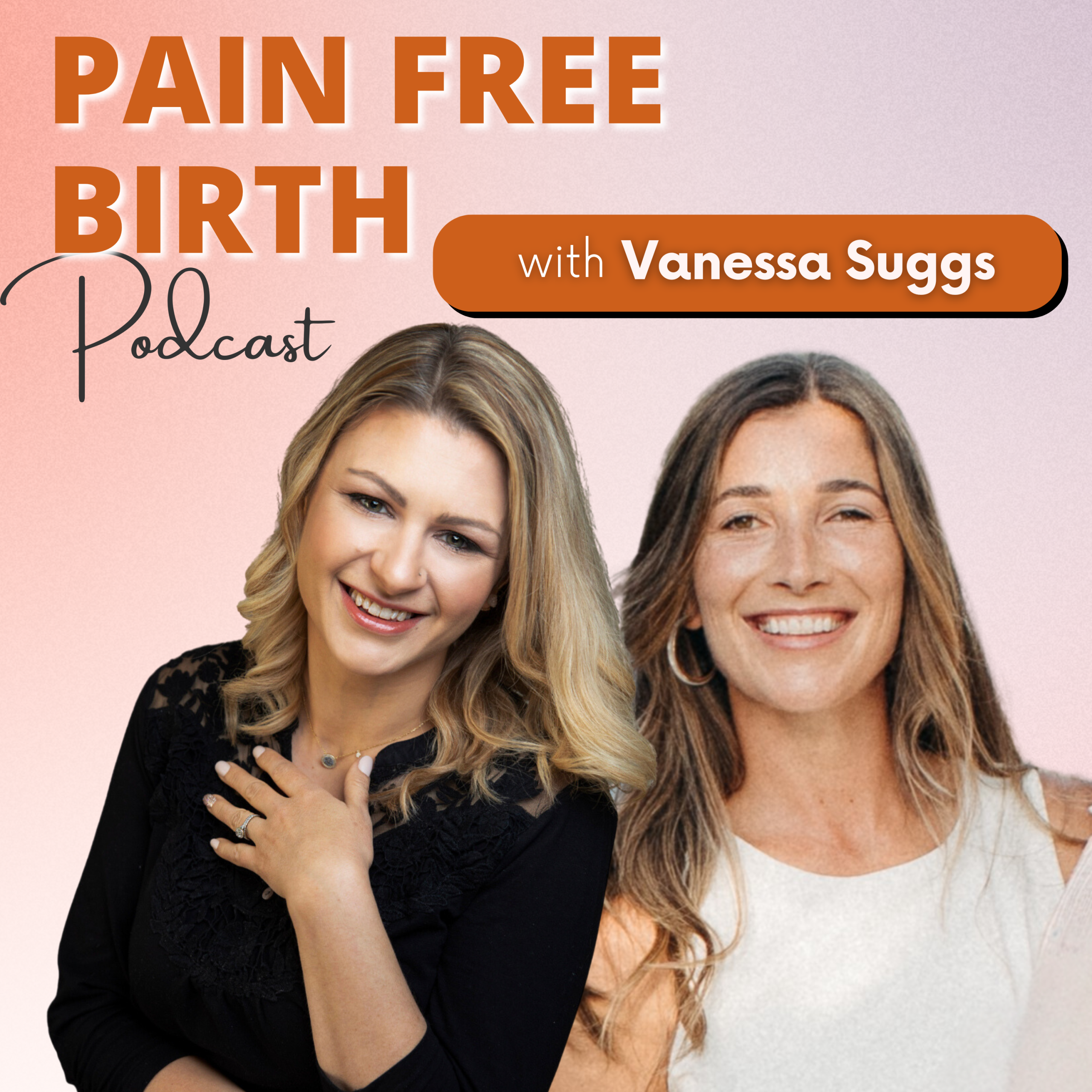
About Vanessa:
My name is Vanessa Suggs I am a mama and wife who is passionate about health & fitness, motherhood and life! I am a former collegiate and pro basketball player turned SAHM with a few side hustles and hobbies. I was born and raised in Canada and now am living in Orlando, FL. Aside from being a wife and mom, I spend my days connecting with other women from around the world through social media and always looking for another project or craft to complete around the house!! My ultimate goal is to inspire other women to find what gives them life and joy and to live at the best possible versions of themselves.
Want to Experience a Faith-Filled Birth Too?
If you’re ready to transform your mindset and birth with peace and purpose, check out the free Unlocking a Pain Free Birth Masterclass. Discover the 3 keys to a Pain-Free birth so you can experience the joyful, supernatural power of birth the way God designed it.
Join Karen’s Doula Certification Program HERE