For many women, a traumatic first birth can change the way they view their bodies, their ability to give birth, and what is possible for future pregnancies. When a planned home birth ends in a hospital transfer and Cesarean section, the disappointment can leave behind feelings of failure, fear, and unanswered questions. Katie Caceres’s story is a powerful reminder that one difficult birth does not have to define the next.
In this episode of the Pain Free Birth Podcast, Katie shares her journey from a nearly 48-hour labor that ended in an unexpected C-section to a peaceful, pain-free, five-hour home birth after Cesarean (HBAC). Through intentional birth education, prayer, healing from birth trauma, and learning to understand the physiology of birth, Katie experienced a transformation in both her mindset and her second birth experience.
Her testimony offers hope to women preparing for a VBAC, considering home birth after Cesarean, or longing to experience freedom from fear after a difficult birth. Even when her second birth included an unexpected fourth-degree tear and a hospital visit for surgical repair, Katie discovered that complications did not have to steal the beauty of her birth story.
A Lifelong Dream of Giving Birth at Home
Katie’s love for natural birth began long before she became a mother. Growing up, she witnessed the home births of her two younger brothers after her mother had previously delivered her first two children in the hospital. Those experiences shaped Katie’s understanding of childbirth and planted a desire to one day welcome her own babies at home. Birth felt like a natural, beautiful process, and she never questioned that home birth was something she wanted for her family.
When Katie became pregnant with her first baby, she planned the home birth she had always envisioned. She loved watching birth videos, listening to birth stories, and learning about childbirth. She believed she was prepared for the experience ahead. However, once labor began, Katie discovered that enjoying birth education and understanding how to navigate labor were not necessarily the same thing. Beneath her excitement and confidence were fears she had never fully recognized, and those fears began surfacing when labor became challenging.
Throughout her first labor, Katie experienced moments of deep spiritual connection where she felt peaceful and capable. But those moments were interrupted by overwhelming thoughts that she could not continue, that labor would never end, and that her baby might never come. Looking back, Katie realized that what she had interpreted as physical struggle was also deeply connected to fear. She had entered labor without fully understanding what her body was doing or how to respond when contractions and sensations became unfamiliar.
Nearly 48 Hours of Labor and an Unexpected Hospital Transfer
Katie’s first labor continued at home for nearly 48 hours. During that time, she experienced significant exhaustion, prolonged pushing, and increasing physical challenges. Her midwife and birth team could see that her baby was making progress, and there were moments when they could even see his head. Yet despite those encouraging signs, Katie found herself moving repeatedly between peace and fear. As the hours passed, her stamina diminished, and she began feeling increasingly hopeless about her ability to finish.
Her pregnancy had already included challenges that affected her confidence. Katie began experiencing swelling around 21 or 22 weeks and was later diagnosed with gestational diabetes. Although she was intentional about eating nourishing foods, the complications left her feeling discouraged. Each prenatal appointment seemed to bring another concern, and over time, those experiences contributed to a growing sense that something might go wrong. By the time labor began, Katie was carrying more uncertainty than she realized.
Eventually, exhaustion became overwhelming, and Katie made the decision to transfer to the hospital. An ambulance was called to transport her, and she remembers feeling that she had reached the end of what she could endure. Although she had made progress at home, she no longer felt confident in her ability to continue. The transfer represented a painful departure from the birth she had imagined, but in that moment, she felt she needed additional help.
A Cesarean Birth That Left Emotional Wounds
When Katie arrived at the hospital, her experience became increasingly difficult. She received an epidural, something she had hoped to avoid, and remembers feeling disconnected from the sensations of her baby moving through her body. The hospital environment also felt overwhelming, with frequent interruptions, examinations, and conversations about possible complications. After resting briefly, Katie attempted to push again, but her baby was no longer descending as he had been earlier.
Eventually, the medical team recommended a Cesarean section. After more than two days of labor and significant exhaustion, Katie agreed. Her son was born, but the experience left her feeling deeply disappointed. She had dreamed of welcoming him peacefully at home, and instead, she found herself recovering from major surgery while processing an experience that felt completely different from everything she had planned.
Katie also recalls feeling judged and dismissed during her hospital stay, particularly when discussing decisions she had made about her baby’s care. These interactions added another layer of distress to an already overwhelming experience. Although her son was healthy, Katie struggled with the belief that she had failed him, herself, and the people who had supported her throughout pregnancy and labor.
For a long time, she pushed those emotions aside. She continued into motherhood believing she had moved forward, but the disappointment remained beneath the surface. It was not until she became pregnant with her second baby that she realized how much of her first birth she had never fully processed.
Recognizing the Fear That Followed Her Into Motherhood
As Katie reflected on her first birth, she began recognizing a belief that had shaped her experience long after the Cesarean. She had convinced herself that her body could not give birth vaginally. Even though her labor had progressed and her baby had descended, the outcome became evidence in her mind that she was incapable of doing what she had hoped to do.
This realization became an important turning point. Katie began understanding that her first birth involved many physical, emotional, and medical factors, but she no longer wanted to carry the belief that her body had failed. She described releasing that burden as though a tremendous weight had been lifted from her. What had once felt like an unavoidable truth began losing its hold over her confidence.
Katie’s experience highlights how deeply a difficult birth can affect a mother’s perception of herself. Birth trauma is not always limited to medical emergencies. Feelings of powerlessness, disappointment, fear, or a loss of control can remain long after physical recovery. For Katie, acknowledging those feelings and intentionally working through them became an essential part of preparing for her next birth.
Preparing Differently for a Home Birth After Cesarean
When Katie discovered she was pregnant again, she knew she wanted to approach this pregnancy differently. Rather than simply hoping her next birth would be better, she committed to understanding the areas where she had felt unprepared the first time. She wanted to learn how her body worked during labor, recognize fear before it became overwhelming, and enter birth with a renewed sense of confidence.
Faith played a central role in this preparation. Katie felt led to protect her mind from discouraging stories and unnecessary negativity throughout pregnancy. She intentionally surrounded herself with positive birth testimonies, worship music, and messages that reinforced her trust in God. She regularly listened to stories from the Pain Free Birth Podcast because they helped her envision childbirth through a different perspective.
She also enrolled in the Pain-Free Birth course, which became one of the most significant parts of her preparation. As Katie learned about the physiology of labor, she began understanding sensations and processes that had previously confused her. Instead of viewing contractions as something unpredictable and frightening, she learned what was happening inside her body and how she could respond with greater confidence.
This education transformed conversations with her husband as well. Katie frequently shared what she was learning, explaining how hormones, relaxation, and the natural progression of labor worked together. Her husband had supported her desire for home birth during both pregnancies, but this new understanding strengthened their confidence as a team.
Understanding Birth Physiology and the Fear Response
One of Katie’s biggest breakthroughs came when she learned about oxytocin and the relationship between the nervous system and labor. She began recognizing how feelings of safety, relaxation, and emotional support could influence her experience of contractions. Understanding the body’s stress response helped her make sense of moments during her first labor when fear had become overwhelming.
For the first time, Katie felt she understood why emotional preparation mattered alongside physical preparation. She wasn’t simply learning breathing techniques or comfort measures. She was developing a deeper awareness of how her thoughts, emotions, and environment could affect the way she experienced labor. That understanding helped replace much of the uncertainty she had carried from her first birth.
Katie also began viewing childbirth through the lens of her faith. Learning about the intricate processes involved in pregnancy and labor deepened her appreciation for how she believed God had designed the female body. Rather than approaching birth with the expectation that something would go wrong, she began preparing with trust, knowledge, and confidence.
Although emotional preparation cannot guarantee a pain-free birth or prevent medical complications, it can help mothers feel more informed and supported. For Katie, understanding physiology became the foundation for an entirely different experience.
Choosing a Midwife Who Supported Her VBAC
Before Katie even became pregnant with her second baby, she contacted a midwife she hoped would attend her next birth. She shared the details of her first experience and asked whether the midwife would consider supporting a home birth after Cesarean. The midwife was open to that possibility if Katie’s pregnancy remained appropriate for the care she could provide.
That conversation gave Katie something she had been missing during her first experience: confidence that her preferences would be heard and respected. Throughout pregnancy, her midwife took time to discuss not only Katie’s physical health but also the emotional healing she was experiencing. Each appointment became an opportunity to address lingering concerns, ask questions, and strengthen their relationship.
Katie especially appreciated that her midwife shared her faith. She felt comfortable discussing prayer, spiritual experiences, and the emotional work she was doing in preparation for labor. This connection helped establish a foundation of trust that would become especially important when her second birth required unexpected assistance.
For women considering VBAC, choosing a qualified provider who listens, communicates clearly, and discusses individualized risks is essential. A previous Cesarean introduces considerations that require careful evaluation, particularly when considering birth outside a hospital. Katie’s experience demonstrates the value of a trusting relationship while also reminding mothers that birth setting decisions should account for medical history and access to emergency care.
Two Weeks of Prodromal Labor Before Her Baby Arrived
As Katie approached the end of her pregnancy, she began experiencing prodromal labor that continued for approximately two weeks. Contractions would come and go, sometimes developing a consistent rhythm before eventually slowing down again. Each time, she wondered whether her daughter was finally ready to arrive.
The day before her daughter’s birth began like an ordinary day. Katie went for a pedicure with a friend, picked up her toddler, stopped for gas, visited a blueberry farm, and even scrubbed her bathroom floors. Although she continued experiencing contractions, they were manageable enough that she carried on with her normal activities.
Later that evening, Katie and her husband took their son to a park after discovering their favorite ice cream shop was closed. While walking, she noticed that contractions were becoming more consistent and intense. She contacted her midwife, but because the sensations still felt manageable, she remained uncertain whether active labor had begun.
The family eventually stopped for dinner after Katie developed a strong craving for a burger. By the time they returned home and put their toddler to bed, it was late. Katie took a shower and noticed that her contractions were becoming much closer together. When she told her midwife she had experienced three contractions in ten minutes, her midwife began preparing to come.
Katie still believed she might be able to sleep.
The Moment Fear Returned and Prayer Changed Everything
After lying in bed for approximately an hour and a half, Katie realized that her contractions were becoming too intense for sleep. She finally acknowledged that she was in labor, and almost immediately, an unexpected wave of fear swept over her. Her body began shaking, and thoughts from her first birth resurfaced. She suddenly questioned whether she could really give birth at home.
Instead of allowing those thoughts to consume her, Katie recognized what was happening and asked her husband to pray. Together, they called their pastor and his wife, who began praying with them over the phone. Katie positioned herself on her hands and knees, leaning over her birth ball while her husband prayed beside her.
During that moment, Katie felt she had a choice. She could allow the fear from her first birth to shape this experience, or she could intentionally surrender those thoughts and return to the peace she had cultivated throughout pregnancy. Through prayer, she felt the fear release and her confidence return.
This became one of the defining moments of her second labor. Fear had appeared again, but this time Katie recognized it and responded differently. She had prepared for this moment through months of education, reflection, and faith, and she now had the support and tools she needed to move forward.
A Pain-Free Labor Filled With Worship and Surrender
Katie originally planned to give birth in her bedroom, surrounded by the peaceful atmosphere she had envisioned throughout pregnancy. However, her toddler was asleep in that room, so she began laboring in the kitchen instead. With only a stove light and a small lamp illuminating the house, she turned on worship music and began moving gently through contractions.
During the first part of labor, Katie paced between the kitchen and dining room, singing, worshiping, and almost dancing through each contraction. She felt peaceful and deeply connected to God. When her midwife arrived, she entered quietly, offered encouragement, and began preparing supplies without disrupting Katie’s rhythm.
As contractions intensified, Katie noticed that the worship music no longer felt comforting. It had become distracting, so she turned it off and began praying in tongues through each contraction. She described entering a deeply focused state where the sensations were powerful but never painful. She felt fully absorbed in the experience, responding instinctively to each change in her body.
At one point, Katie became self-conscious about praying aloud and briefly quieted herself. She immediately noticed the physical intensity of the contraction more strongly. When she returned to praying in the way that felt natural to her, she regained her sense of peace.
For Katie, this was an extraordinary experience of pain-free labor. She felt intense contractions, but she did not experience them as painful. Her testimony reflects her personal experience of faith, focus, and physiological birth rather than a guarantee that every woman will experience labor in the same way.
Following Her Body Through the Stages of Labor
As labor progressed, Katie became increasingly aware of what her body needed. During early labor, movement and worship felt natural. As contractions became stronger, she shifted into deeper prayer and inward focus. Eventually, two particularly intense contractions brought her to her knees, signaling that she needed something different.
Her midwife encouraged her to enter the birth pool, which had been prepared nearby. As soon as Katie lowered herself into the warm water, she experienced an overwhelming urge to push. Her vocalizations changed from prayer into deep, instinctive sounds as her body began working to bring her daughter into the world.
Throughout labor, Katie remained conscious of keeping her body relaxed. Having studied ballet when she was younger, she remembered learning to maintain balance without gripping the barre for support. During contractions, she applied a similar awareness, keeping her hands open, her jaw loose, and her body as relaxed as possible.
Rather than forcing herself to follow a rigid birth plan, Katie responded to the changing sensations of labor. She moved when movement felt helpful, became still when she needed deeper focus, and accepted support when her body signaled that something needed to change.
A Five-Hour Home Birth After Cesarean
Katie spent approximately an hour and twenty minutes to an hour and a half pushing, although the experience felt much shorter to her. As her daughter descended, Katie began reaching down to feel her baby’s head. She could sense that progress was happening, but eventually the baby’s position seemed to remain unchanged.
Recognizing that she needed assistance, Katie looked to her midwife for help. Her midwife calmly explained that she wanted Katie to get out of the birth pool and change positions. Katie trusted her guidance and moved into a position resembling a runner’s lunge, with one knee on the floor and the other raised.
The midwife explained that she would provide manual assistance at the perineum during the next push. Katie agreed, and with that contraction, her daughter was born. The moment happened so quickly that Katie did not immediately register that her baby had fully emerged.
Her midwife later told her that the first thing Katie said was that she had birthed her baby at home. Her daughter arrived at 5:17 in the morning, approximately five hours after Katie identified the beginning of active labor.
After nearly 48 hours of labor during her first birth, the contrast was remarkable. Katie had experienced the peaceful home birth she had dreamed of, surrounded by faith, trust, and support.
An Unexpected Fourth-Degree Tear and a Healing Hospital Experience
Shortly after her daughter’s birth, Katie’s midwife discovered that she had experienced a fourth-degree perineal tear. The injury was serious and required hospital treatment and surgical repair. Although Katie had not felt the tear occur, she understood that she needed medical assistance to support proper healing.
Initially, returning to the hospital brought back difficult memories from her first birth. But her midwife reassured her that receiving medical treatment did not change what she had accomplished. Her daughter had been born at home, and the hospital was now providing a necessary service for her recovery.
Katie’s midwife contacted the hospital and arranged care with surgeons she knew and trusted. When Katie arrived, the atmosphere felt completely different from her previous experience. The nurses were welcoming, her midwife remained supportive, and Katie felt respected throughout the process.
During the surgical repair, spinal anesthesia triggered some of the emotions she associated with her previous Cesarean. She began shaking and felt overwhelmed by the sensation of numbness. Her midwife held her hand and played worship music, helping Katie regain her sense of calm.
Although recovery from a fourth-degree tear required significant healing, Katie did not view the complication as something that ruined her birth. She was grateful for the medical care she received and for the opportunity to experience a hospital environment that felt supportive rather than frightening.
A Birth Experience That Inspired a New Calling
Katie’s second birth changed more than her perspective on childbirth. It strengthened a passion she had carried for years: helping other women understand their bodies and approach birth with greater confidence.
After experiencing the difference that education and emotional preparation made in her own life, Katie decided to pursue doula certification through Pain Free Birth. She hopes to support mothers by sharing knowledge, encouraging informed decisions, and helping women process fears surrounding pregnancy and childbirth.
As a mother of young children, Katie recognizes that birth work may look different during various seasons of her life. For now, her calling may involve educating and encouraging women rather than attending births regularly. But her desire remains the same. She wants mothers to know they are worthy of compassionate care, meaningful support, and an opportunity to understand their birth options.
Her journey from a difficult first birth to an empowering second experience has given her a deeper appreciation for the emotional and spiritual dimensions of childbirth. She hopes her story will help other mothers believe that healing is possible, even when their previous experiences have left them discouraged.
Encouragement for Mothers Preparing for VBAC or Healing From Birth Trauma
Katie’s story offers several important reminders for women preparing for childbirth. A previous Cesarean does not automatically mean that future vaginal birth is impossible. A difficult first labor does not guarantee that subsequent labors will follow the same pattern. And an unexpected complication does not erase the value of an otherwise positive birth experience.
Her testimony also highlights the importance of education, emotional healing, and supportive providers. Understanding birth physiology helped Katie approach labor with greater confidence, while prayer and spiritual preparation gave her meaningful ways to respond when fear returned. Having a midwife she trusted allowed her to accept guidance without feeling powerless.
Most importantly, Katie discovered that an empowering birth is not necessarily a birth without challenges. Her second experience included unexpected changes, physical intensity, a serious tear, and a hospital procedure. Yet she continued to describe it as beautiful and redemptive because she felt supported, informed, and deeply connected to the process.
For mothers carrying disappointment from a previous birth, Katie’s journey offers encouragement to seek healing without placing blame on themselves. Every pregnancy and birth involves individual circumstances, and no amount of preparation can guarantee a particular outcome. But women can pursue education, ask thoughtful questions, process difficult experiences, and build a supportive care team.
Katie’s testimony is ultimately a story of moving from fear into freedom. Her first birth left her questioning her body, but her second helped restore her confidence and inspired her to support other mothers. Through faith, education, and compassionate care, she discovered that her previous birth did not have to determine how she approached the next.
For every mother preparing for a VBAC, navigating birth trauma, or hoping for a more peaceful experience, Katie’s story is a reminder that healing is possible, confidence can be rebuilt, and a new birth story can unfold in ways you never imagined.
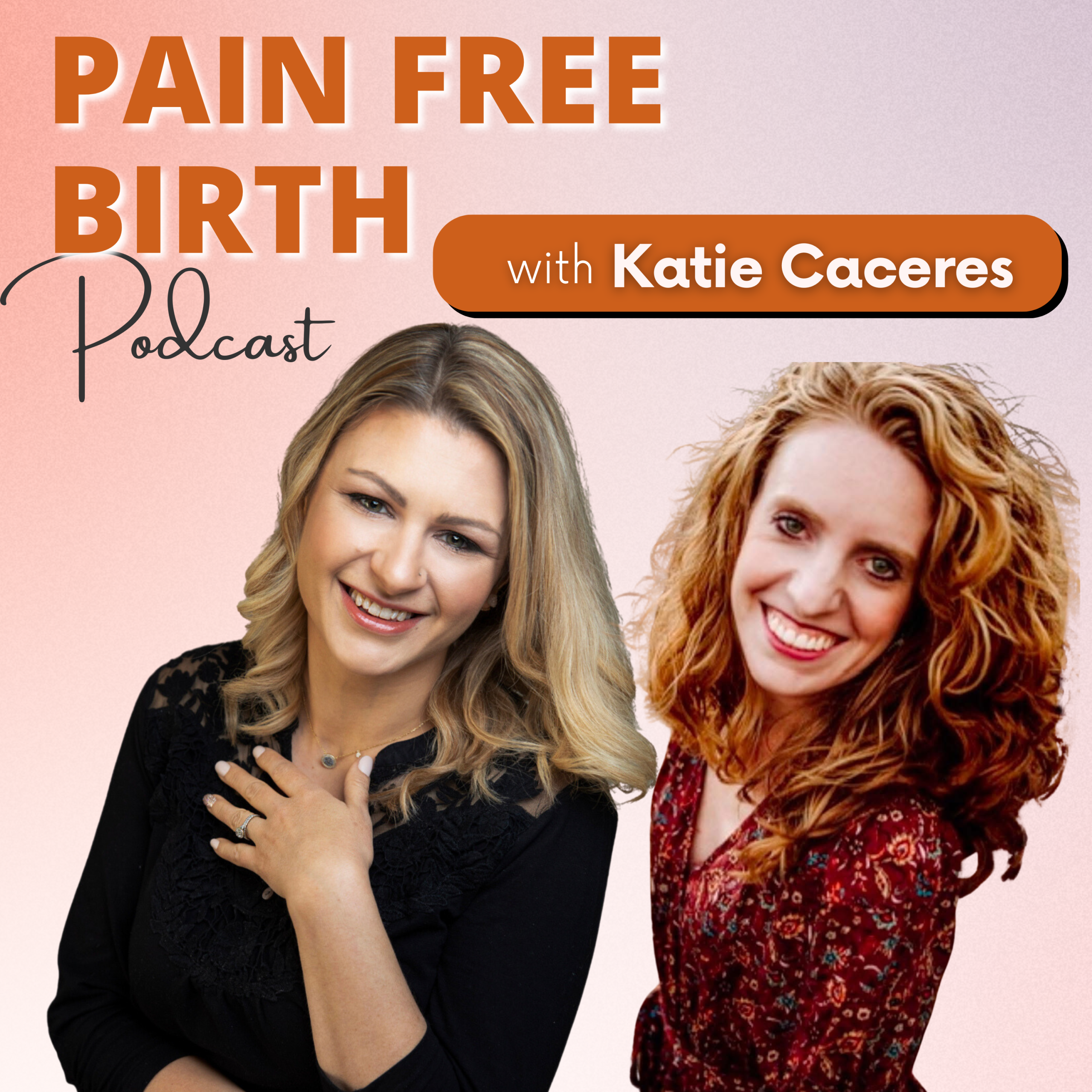
About Katie:
I am 36, and a momma of two now. We live in the country on 10 acres in Virginia. I met my husband in November 2021, we were engaged by April of 2022, married in September 2022, had our first baby in October 2023. He is 46. We are 9.5 years apart in age. I stay at home raising my babies. I am very passionate about birth. I am hoping to do the pain free birth doula course this fall. I have so many friends/acquaintances having babies, wanting babies, and I want them to feel empowered in their pregnancy and birth.
Want to Experience a Faith-Filled Birth Too?
If you’re ready to transform your mindset and birth with peace and purpose, check out the free Unlocking a Pain Free Birth Masterclass. Discover the 3 keys to a Pain-Free birth so you can experience the joyful, supernatural power of birth the way God designed it.
Join Karen’s Doula Certification Program HERE