What if you could approach pregnancy and childbirth with a level of confidence that the world simply cannot understand? What if, instead of expecting fear, pain, complications, and interventions, you began believing that birth could be one of the most beautiful, empowering, and transformative experiences of your life? Not because you can control every detail or guarantee a particular outcome, but because you understand how incredibly your body was designed and you trust the God who created it.
There is something powerful about a woman who believes in her ability to give birth. She prepares differently, thinks differently, and doesn’t automatically accept every frightening story or negative expectation that comes her way. She understands that birth is not simply a medical event to survive, but a deeply personal experience that deserves to be approached with knowledge, wisdom, faith, and confidence.
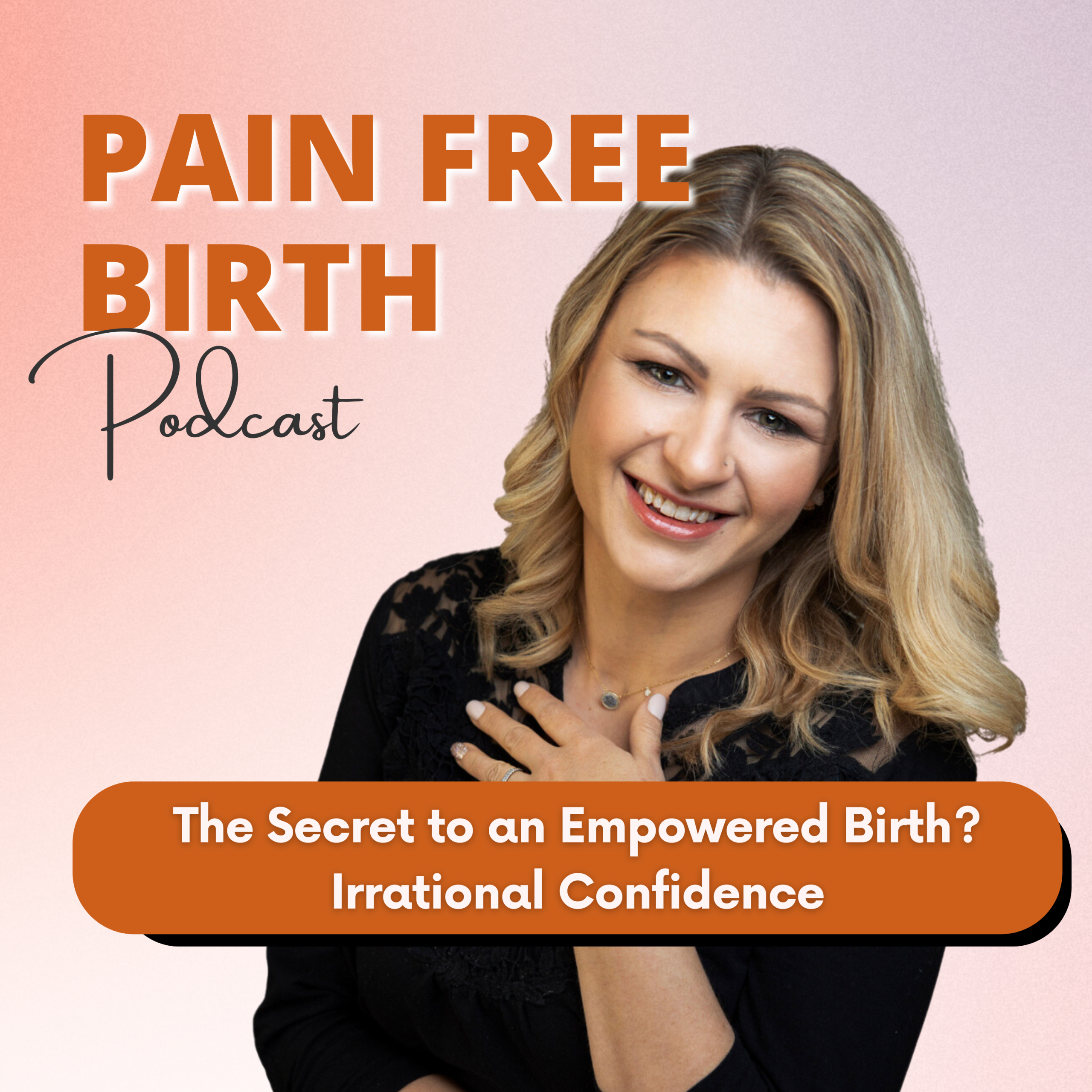
In this solo episode of the Pain Free Birth Podcast, Karen Welton shares a message for women preparing for pregnancy, believing God for a baby, or approaching childbirth. She believes God is inviting women into what she calls an “irrational level of confidence,” a kind of faith that doesn’t make sense to a world conditioned to fear birth. Through Scripture, personal experience, and powerful birth testimonies, Karen explores what it means to renew your mind, trust your body’s design, and believe for a birth experience that reflects God’s goodness.
Why We Need a Different Perspective on Birth
We live in a culture that has become incredibly comfortable with fear surrounding childbirth. From the time we’re little girls, we’re exposed to images of women screaming in labor, rushing to the hospital in panic, and desperately waiting for someone to rescue them from the intensity of birth. Pregnancy is portrayed as a condition requiring constant monitoring, and labor is often treated as a medical emergency waiting to happen. By the time many women become pregnant, they’ve already absorbed years of messages suggesting their bodies are unreliable and birth is something to fear.
This conditioning doesn’t disappear simply because a woman decides she wants a natural birth. She may begin researching physiological birth, learning about hormones, and discovering beautiful stories of women who experienced peaceful, joyful, or even pain-free labor. But as soon as she shares her hopes with the people around her, she may encounter skepticism. Friends might tell her to just get the epidural. Family members may remind her of everything that could go wrong. Even well-meaning people can unintentionally communicate that expecting a positive birth is unrealistic.
Karen has spent years challenging this perspective because she has heard too many beautiful birth stories to believe fear and trauma should be considered inevitable. These experiences don’t mean every birth will be uncomplicated or that medical interventions are never necessary. They reveal that the cultural narrative surrounding birth is incomplete. There is another side of childbirth that women deserve to know exists.
When Fear Becomes the Foundation of Birth Preparation
One of the most concerning aspects of modern birth culture is how easily fear can become the foundation of a woman’s preparation. Instead of beginning with an understanding of how birth works, many women begin by learning everything that could go wrong. They hear about emergency cesareans, failed inductions, and unexpected complications before they ever learn how their uterus contracts, how their cervix opens, or how their baby moves through the pelvis.
There is value in understanding medical risks and knowing when intervention may be necessary. Access to skilled medical care has saved countless mothers and babies. But there is a difference between being informed about potential complications and allowing those possibilities to define your entire expectation of birth. When fear becomes the primary lens through which a woman views childbirth, she may begin doubting her body’s capabilities before labor even begins.
Karen also reflects on how the COVID era intensified feelings of uncertainty and loss of control for many pregnant women. Hospital policies changed, support people were sometimes restricted, and families faced difficult decisions during an already vulnerable season. For some mothers, those experiences left lasting emotional wounds and contributed to a growing desire for greater autonomy in maternity care.
The goal is not to replace one form of fear with another. It is to help women become informed, discerning, and confident enough to navigate pregnancy and birth without feeling powerless.
Your Birth Experience Matters Just as Much as Your Baby’s Arrival
One of the most common messages women hear during pregnancy is that all that matters is having a healthy baby. Of course, the health and safety of the baby are incredibly important, but Karen challenges the idea that the mother’s experience should be treated as insignificant. The way a woman is cared for during labor matters. Her emotional safety matters. Her ability to participate in decisions matters. Whether she feels respected, supported, and protected can shape how she remembers one of the most significant experiences of her life.
A mother and baby are deeply connected throughout pregnancy and birth. The mother’s hormonal environment, stress response, and physical experience all play roles in the complex physiology of labor. This doesn’t mean every moment of fear harms a baby or that a difficult birth inevitably creates lasting consequences. It means caring for the mother as a whole person is an essential part of caring for the baby.
This is why Karen is so passionate about helping women prepare for more than simply getting through labor. Whether a woman gives birth at home, in a birth center, or in a hospital, she deserves respectful care and the opportunity to make informed decisions. Even when circumstances require medical intervention, her voice and her experience still matter.
Three Foundational Truths That Can Transform Your Birth Mindset
As Karen explains how to develop radical confidence for pregnancy and birth, she identifies three foundational truths that have shaped her perspective and the philosophy behind Pain Free Birth. These truths provide a starting point for renewing the mind and approaching childbirth from a place of faith rather than fear.
The first truth is that your baby is a gift from God. In a world that often portrays children as inconvenient or burdensome, Karen encourages women to remember the sacredness of bringing new life into the world. Pregnancy and motherhood can involve real challenges, and for women navigating infertility or pregnancy loss, the journey may carry tremendous grief. Yet the value of a child is not diminished by the difficulties surrounding the journey.
The second truth is that your body was designed for birth. Karen emphasizes that this includes women who have experienced health challenges, received difficult diagnoses, or been told their bodies are somehow inadequate. The female reproductive system is extraordinarily intricate, with hormones, muscles, tissues, and physiological processes working together to support pregnancy and childbirth. Sometimes medical assistance is necessary, and needing that assistance is never a failure. But understanding the body’s capabilities can help replace the assumption of inadequacy with a deeper appreciation for its remarkable design.
The third truth is that you have the authority to partner with God as you prepare for birth. You are not simply a passive participant waiting for someone else to decide how your baby will enter the world. Your thoughts, preparation, care team, environment, and decisions all matter. You can seek wisdom, ask questions, explore your options, and invite God into the process. This partnership doesn’t guarantee a particular outcome, but it creates space for intentional preparation, spiritual trust, and confidence.
What Does It Mean to Have Irrational Confidence in God?
The phrase “irrational confidence” may sound strange because we’re accustomed to thinking confidence should be based entirely on what we can see, measure, and predict. We want evidence that everything will work out before we’re willing to believe something good is possible. But Karen describes a different kind of confidence, one that grows from knowing God’s character, understanding His design, and remembering His faithfulness.
In John 16:33, Jesus tells His disciples they will experience trouble in the world, but He also reminds them that He has overcome the world. Karen sees this Scripture as an important foundation for women facing uncertainty in pregnancy and childbirth. Jesus doesn’t promise that life will be free from challenges. He offers peace and courage in the middle of them. For a mother navigating fear, difficult medical decisions, or unexpected changes in her birth plans, that distinction can be incredibly comforting.
This kind of faith doesn’t require pretending complications are impossible or dismissing the concerns of qualified medical professionals. Instead, it means refusing to allow fear to become the final authority over your heart. You can acknowledge a diagnosis, ask thoughtful questions, seek appropriate care, and still believe God is present with you. You can recognize the reality of a difficult situation without deciding that it has eliminated every possibility for peace, joy, or redemption.
The Difference Between Blind Faith and Faith Built Through Experience
There are seasons when trusting God feels like stepping into the unknown without any idea of what will happen next. You may be praying for a baby after months of disappointment, preparing for birth after a traumatic experience, or facing circumstances that seem completely different from what you hoped for. In those moments, faith may simply look like choosing to trust God even when you cannot see the outcome.
Karen explains that deeper confidence develops through experience. When you’ve walked with God through difficult seasons, recognized unexpected provision, and witnessed His faithfulness repeatedly, your trust begins to take on a different quality. You aren’t simply hoping God might be trustworthy. You have a history with Him that reminds you of His character, even when your current circumstances are uncertain.
She describes a similar journey in her understanding of birth. When preparing for her first baby more than a decade ago, she was fascinated by the possibility of a pain-free birth but hadn’t developed the conviction she carries today. She intentionally sought out women who had experienced beautiful births, studied physiological childbirth, explored Scripture, and surrounded herself with information that challenged the fearful messages she had grown up hearing.
Over time, those experiences transformed her perspective. After giving birth herself and hearing countless stories from other mothers, Karen developed a confidence in women’s birthing capabilities that she couldn’t have manufactured through positive thinking alone. For women who haven’t yet developed that confidence, she offers an invitation to borrow the faith of women who have gone before them.
Why Positive Birth Stories Can Change Your Expectations
Stories are one of the most powerful ways we learn what to expect from life. If every childbirth story you’ve heard involves panic, trauma, and unbearable pain, it makes sense that you might anticipate the same experience. But when you hear women describe births filled with peace, joy, support, and unexpected strength, your understanding begins to expand.
Karen shares several remarkable testimonies from women who have appeared on the Pain Free Birth podcast. She recalls Leslie Burris, who was told she would not be able to have children and later experienced motherhood and shared an extraordinary birth story. She remembers Lacey, who experienced pregnancy loss before describing a beautiful subsequent birth filled with meaningful moments, including rainbows appearing throughout her labor room. For these women, their stories became powerful reminders of hope and God’s presence through difficult journeys.
She also reflects on Christine Janicke, who navigated a pregnancy that continued far beyond her expected due date, and Amanda Johnson, who discovered she was carrying twins and faced unexpected challenges arranging her desired birth setting. In Amanda’s story, an unexpected financial gift helped her family access the care they were seeking.
These testimonies aren’t formulas or guarantees that another woman’s circumstances will unfold the same way. Their value lies in the hope they offer, the courage they reveal, and the reminder that women can encounter meaningful support even when their journeys become complicated. The more you expose yourself to encouraging birth stories, the more you begin recognizing that your own experience doesn’t have to be defined by the fears of other people.
Understanding Birth Physiology Can Strengthen Your Faith
One of the things that makes the Pain Free Birth approach distinctive is Karen’s desire to bring together the science of physiological birth and the spiritual dimension of childbirth. She believes understanding how the body works can deepen a woman’s appreciation for God’s design while giving her practical tools to approach labor with confidence.
Consider the coordination involved in childbirth. The uterus contracts in rhythmic patterns, helping the cervix soften, thin, and open. Hormones such as oxytocin participate in regulating contractions, while the nervous system and stress response interact with the hormonal environment of labor. The baby participates through movements and rotations that help navigate the maternal pelvis. These mechanisms are extraordinarily complex, yet much of the process happens without the mother consciously directing every movement.
When women begin understanding these physiological processes, their perspective on labor sensations can change. Instead of interpreting every contraction as evidence something is wrong, they can begin recognizing the purposeful work their bodies are doing. They can learn about movement, positioning, relaxation, breathing, and other comfort measures that may support labor.
For Karen, this knowledge is not separate from faith. It is one of the ways she sees the brilliance of God’s creation. She wants women to experience that same sense of wonder, not because understanding physiology guarantees a pain-free birth, but because knowledge can help replace unnecessary fear with appreciation, confidence, and informed preparation.
Radical Faith Is Not the Same as Refusing Medical Help
One of the most important distinctions Karen makes is that radical faith should never be confused with stubbornness. Believing God for a beautiful birth does not mean ignoring warning signs, refusing appropriate medical care, or assuming every intervention represents a failure of faith. There are situations in which a cesarean, hospital transfer, or other medical intervention is the wisest and safest choice for a mother and her baby.
Karen shares the example of a pregnant doula who was hoping for a vaginal birth but facing the possibility of a cesarean because her baby was breech and qualified providers were difficult to find. The conversation raised questions about exploring options, trusting God, and remaining open to unexpected solutions. It also illustrated how complicated birth decisions can become when a woman’s preferences intersect with clinical risks and the availability of experienced care.
For a mother in that situation, faith and wisdom can work together. She can pray for guidance while seeking evidence-based information about her options. She can ask about external cephalic version, consult qualified providers, and consider the risks and benefits of different birth approaches. She can remain hopeful while recognizing that some circumstances require a change in plans.
An empowered mother is not someone who refuses to change course. She is someone who can make informed decisions, remain connected to her values, and recognize that her faith is not diminished when she needs assistance.
How to Train Your Mind for a Beautiful Birth
If confidence develops through experience, preparing your mind for childbirth requires intentional practice. Karen compares this process to building muscle in the gym. Physical strength develops through repeated effort, and she believes spiritual confidence grows similarly. You strengthen your faith by practicing trust, renewing your perspective, and repeatedly choosing what you allow to influence your expectations.
For many women, this begins with becoming aware of the messages they’ve absorbed about childbirth. Maybe you’ve been told every woman in your family has difficult births. Maybe someone has convinced you that your pain tolerance is too low for an unmedicated labor. Perhaps a previous experience has left you questioning your body’s abilities. These beliefs can become so familiar that you stop recognizing them as beliefs and begin treating them as unchangeable truths.
Karen encourages women to challenge those assumptions by learning how birth works and intentionally surrounding themselves with encouraging information. This doesn’t mean avoiding all discussion of complications or dismissing legitimate medical concerns. It means recognizing that endless exposure to frightening possibilities is not the same as meaningful preparation.
Spiritual preparation can become part of this daily practice. You can spend time in Scripture, pray about your fears, reflect on God’s faithfulness, and ask Him for wisdom. You can listen to positive birth stories, practice relaxation, and learn to recognize when your thoughts are moving toward fear. Over time, these habits can help create a stronger foundation of confidence, even if you still experience uncertainty.
Learning to Discern God’s Guidance When Birth Plans Change
One of the greatest challenges of pregnancy and motherhood is accepting that preparation does not give us complete control. You can make thoughtful decisions, choose an excellent birth team, study physiological birth, and prepare your body carefully, yet still encounter circumstances you never anticipated. For women who have invested deeply in a particular birth vision, those changes can feel especially difficult.
Karen encourages women to develop discernment rather than becoming rigidly attached to one outcome. She believes God can guide mothers through unexpected circumstances, sometimes by opening doors they didn’t know existed and sometimes by helping them recognize when it is time to change direction. A different provider, a new birth setting, or an unexpected intervention doesn’t automatically mean the entire experience has been lost.
This is where faith and surrender become so important. Faith can give you courage to explore possibilities, ask questions, and advocate for your preferences. Surrender allows you to remain open when the safest or wisest path looks different from what you originally imagined. These qualities can work together to help you approach childbirth with both conviction and flexibility.
An empowering birth is not defined exclusively by whether it happens at home, in a hospital, without medication, or according to every detail of a birth plan. It is also shaped by whether a woman feels respected, informed, supported, and able to participate in her care.
Why Karen Created the Pain Free Birth Course
Karen created the Pain Free Birth course because she wanted women to experience a different kind of childbirth preparation. She didn’t want to offer information about labor without addressing the beliefs, fears, and expectations women bring into the birth room. She wanted to combine an understanding of physiological birth with emotional and spiritual preparation that helps mothers approach childbirth from a place of confidence.
The course reflects her belief that the way women think about birth matters. Learning about the uterus, hormones, nervous system, stages of labor, and instinctive movements of childbirth can provide a strong educational foundation. But Karen also wants women to understand how their mindset, environment, support team, and faith can influence the way they experience the process.
For her, the goal has never been limited to helping every woman achieve one specific version of childbirth. A pain-free birth may be an extraordinary experience for some women, but empowerment can take many forms. One mother may experience an ecstatic home birth. Another may have a deeply redemptive VBAC. Another may find unexpected peace during a hospital birth that requires interventions she never planned to need.
What Karen wants women to carry away is a renewed understanding of their own strength and the goodness of God’s design. She wants mothers to approach childbirth knowing they are capable of learning, preparing, advocating, surrendering, and responding wisely to their unique circumstances.
You Are Allowed to Believe for a Beautiful Birth
There is something deeply moving about a woman who decides she will no longer allow fear to determine what she believes is possible. She may still have questions, encounter challenges, or need to make difficult decisions. But she has begun approaching childbirth from a different foundation, one rooted in knowledge, hope, faith, and confidence rather than the assumption that something terrible is waiting to happen.
Karen wants women to understand that they are allowed to desire a beautiful birth experience. You don’t have to apologize for hoping labor will be peaceful, joyful, empowering, or even pain-free. You don’t have to accept someone else’s traumatic experience as a prediction of your own. And you don’t have to choose between trusting God and making wise, informed decisions about your medical care.
At the same time, the goodness of your birth is not measured by whether every prayer is answered exactly as you hoped or whether every preference becomes reality. Your value as a woman and mother remains unchanged regardless of how your baby is born. Faith can sustain you through a beautiful experience, and it can also sustain you through a difficult one.
Perhaps that is what makes irrational confidence so powerful. It is not ultimately confidence in your ability to control childbirth. It is confidence that you can prepare wisely, trust deeply, remain open to God’s guidance, and walk into motherhood without allowing fear to become the defining voice of your story.
The Beautiful Possibility of Partnering With God in Birth
What if the way you prepare for childbirth could change more than your expectations of labor? What if it could deepen your relationship with God, strengthen your trust in your body, and help you discover a level of courage you didn’t know you possessed? What if pregnancy became a season of learning not only how to welcome your baby, but also how to become a woman who approaches the unknown with greater peace and confidence?
Karen believes this is part of the extraordinary opportunity women have during pregnancy and birth. There is practical preparation to be done, including learning about physiology, understanding your options, choosing a supportive care team, and developing skills that may help you during labor. But there is also spiritual preparation happening as you learn to release fear, develop discernment, and trust God with the parts of your story you cannot control.
You don’t need perfect faith to begin that journey. You don’t need to eliminate every anxious thought or feel completely confident before taking the next step. You can begin exactly where you are, bringing your questions, hopes, and uncertainties to God while continuing to prepare with wisdom and intention.
Maybe your birth will unfold just as you imagined. Maybe it will surprise you. Maybe you’ll discover extraordinary strength in an experience that looks different from your original plan. Whatever happens, you deserve to be supported, informed, respected, and reminded that your experience matters.
Sister, you are allowed to believe for something beautiful. You are allowed to prepare with hope. You are allowed to discover how extraordinary your body is and how deeply meaningful the journey into motherhood can become. You can approach birth with faith, wisdom, and an open heart, trusting that even when the details are uncertain, you do not have to walk through them alone.
Want to Experience a Faith-Filled Birth Too?
If you’re ready to transform your mindset and birth with peace and purpose, check out the free Unlocking a Pain Free Birth Masterclass. Discover the 3 keys to a Pain-Free birth so you can experience the joyful, supernatural power of birth the way God designed it.
Join Karen’s Doula Certification Program HERE