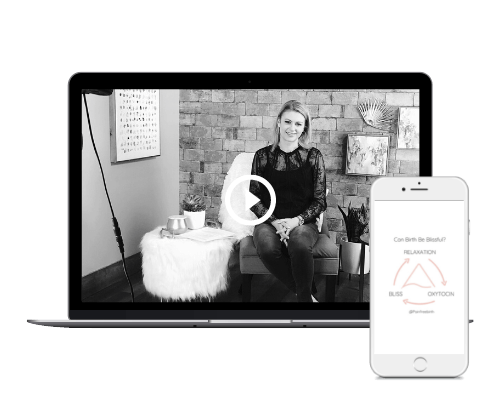
Birth work is never predictable. For doulas, every birth offers new lessons, fresh challenges, and opportunities to grow in confidence. On the Pain Free Birth Podcast, Karen Welton sat down with Kendall Pattillo—a wife, mom of two (with one on the way), and new doula based in the Dallas-Fort Worth area—to talk about her first births as a doula, what she has learned so far, and why doulas play such a powerful role as both servants and shields for mothers.
Though Kendall is early in her doula journey, she has already supported VBAC births, birth center births, home births, and hospital births. Her perspective offers wisdom for new doulas, encouragement for moms considering birth support, and practical tips anyone in the birth space can benefit from.
A Calling into Birth Work
Kendall never set out to become a doula. Friends began reaching out during their pregnancies, asking her to support them during labor. After two births of her own, she realized that birth work was more than a hobby—it was a calling.
She described feeling drawn into the role on a spiritual level. Supporting women in such vulnerable, powerful moments resonated with her personality and faith. When she discovered Karen Welton’s training program, the timing felt like a door God had opened. She bet on herself, signed up, and stepped into the birth space as a professional doula.
For Kendall, the heart of her work is simple: highlight the mother as the hero, while she quietly serves in the background. Her goal is never to take the spotlight but to make sure moms feel safe, supported, and empowered.
Why Doulas Matter
In sharing her early experiences, Kendall returned to a theme that all doulas understand: the role of a doula is not just to provide information or physical support—it is to create a safe environment.
She described doulas as both servants and shields. Servants because they meet practical needs—answering questions, offering comfort, and suggesting resources. Shields because they protect mothers from unnecessary stress, interruptions, and fear.
This dual role allows mothers to enter what doulas often call “labor land”—a deep, instinctive state of presence where oxytocin flows and the body can do what it was designed to do. Without someone safeguarding that space, women can easily be pulled out of it by unnecessary questions, interventions, or disruptions.
A First VBAC Birth That Changed Everything
One of Kendall’s earliest births as a doula was also her most intense. Her client was attempting a VBAC (vaginal birth after cesarean) and had fired her provider late in pregnancy because she felt unsupported.
When the client went into labor, the on-call doctor happened to be the very provider she had let go—the same physician who performed her cesarean. Walking into the hospital, Kendall immediately felt the tension.
As a brand-new doula, she could have shrunk into the background. Instead, something inside her rose up. She noticed the doctor asking questions at the peak of contractions, in ways that felt manipulative. She recognized her client’s discomfort. And she decided to step into her protective role.
Kendall positioned herself physically between the provider and her client when needed, creating space. She redirected communication so her client and her client’s husband could remain connected. When decisions were being discussed without consent, she spoke up: “I don’t think you’ve talked with her about that yet.”
Her client later said she felt safe because she didn’t have to constantly defend herself. Instead, she could stay focused on her husband, her contractions, and the work of labor.
In the end, the mom achieved the VBAC she had hoped for. The recovery was night and day compared to her cesarean. And Kendall walked away knowing that doulas truly are both servant and shield.
Lessons for Doulas in Advocacy
That first VBAC experience taught Kendall valuable lessons that every doula can take to heart:
-
Advocacy can be quiet but powerful. Sometimes it means standing near the door to intercept interruptions. Other times, it’s discreetly asking nurses questions in the hallway and writing notes to review later with the client.
-
Protecting space matters. A mother in labor should not have to be her own advocate. Doulas can take the brunt of stressful conversations so moms remain calm.
-
Confidence grows in the moment. Even as a brand-new doula, Kendall realized that advocacy isn’t about experience level—it’s about heart, intuition, and courage.
These lessons highlight why doulas are such an essential part of birth teams, especially in hospital settings where policies, routines, and staff turnover can create challenges for families.
Supporting Partners, Not Replacing Them
A common misconception is that doulas replace dads or partners in the birth room. Kendall emphasized the opposite. Every partner she has worked with initially felt hesitant or even intimidated about having a doula. But after the birth, they became her biggest cheerleaders.
Why? Because doulas remove the pressure. Partners no longer have to carry the burden of advocacy, manage medical conversations, or constantly wonder what to do. Instead, they can focus on what they do best: being present with their wife.
As Kendall put it, “I tell dads, I’m here to make you look like a rock star. You’ll be your wife’s hero.”
Practical Doula Tools and Tricks
Beyond advocacy and emotional support, Kendall has already developed a toolkit of practical strategies that work in every setting.
-
Foam knee pads: For less than a dollar, knee pads are one of the most used items in her doula bag. They provide comfort for the doula and the mother in various positions.
-
Birth stool “curb walking”: By placing a birth stool in the room, she guides moms to step on either side in a rocking, asymmetrical motion. This movement can help babies descend into the pelvis.
-
Showers for pain relief: In hospitals especially, showers are underutilized. They provide warmth, relaxation, and freedom of movement. Adding a birth ball or stool in the shower can make it even more effective.
-
Headphones and music: Encouraging moms to bring headphones helps them tune out unnecessary noise, keeping them focused and calm.
-
Rebozo and TENS unit: Kendall uses these tools to provide comfort, relaxation, and strategic movement during labor.
These simple tools, combined with presence and intuition, allow doulas to support moms physically and emotionally through every stage of labor.
Overcoming Imposter Syndrome
Not every birth requires hands-on support. Kendall shared about attending a birth where the mother, having already experienced multiple unmedicated deliveries, needed little assistance.
In those moments, she felt a flicker of imposter syndrome—“Why am I even here?” But she realized that her calm presence, advocacy behind the scenes, and ability to reassure the family were just as valuable as physical support.
This is a reminder for all doulas: you don’t need to be “doing” constantly to provide immense value. Sometimes your stillness and confidence are the very things that anchor a mother’s peace.
Birth as Both Profession and Calling
Kendall also reflected on the importance of treating doula work as both a calling and a profession. Setting boundaries around how many clients she takes per month ensures she doesn’t burn out and allows her to give her best to each family.
She emphasized that charging fair rates is not just about valuing her own work but also about supporting other doulas. Undervaluing services can undercut the profession. By charging fairly, doulas raise the standard for everyone and show families that this work is worth investing in.
Faith, Fear Release, and Healing
A unique aspect of Kendall’s story is her faith and her commitment to healing her own fears. She believes doulas must be healed and regulated enough to hold safe space for mothers.
On her journey, she practiced fear release exercises that helped her let go of past trauma and the fears she had absorbed from others’ stories. For her, faith in God’s design for birth created a foundation of peace she could carry into the birth room.
This aligns with what she offers her clients: a chance to release fear, focus on their desires, and walk into birth with confidence.
Takeaways for Expectant Moms
Kendall shared advice for mothers preparing for birth:
-
Know your options. If you don’t know your choices, you don’t have any. Research providers, settings, and interventions so you can make informed decisions.
-
Find resources that resonate. Whether books, podcasts, or courses, surround yourself with positive, evidence-based information.
-
Invest in childbirth education. Courses like the Pain Free Birth course explain the physiology of birth in a way that removes fear and builds trust in your body.
-
Build the right team. Choose providers, doulas, and support people who align with your values and make you feel safe.
For Kendall, these steps transformed not only the way she supports clients but also how she is preparing for her own third birth.

More about Kendall:
Are you ready to step into your calling as a doula with the tools, confidence, and support you need to thrive?
If Kendall’s story sparked something in you, it might be your time to step into birth work too. You don’t have to figure it all out on your own. The Doula Mastermind equips you with the practical skills, advocacy tools, and business strategies you need to serve women powerfully—without burning out. You’ll join a faith-centered community of doulas who are answering the same call and walking this journey together. Click here to learn more and save your spot in the next round.