For many women, birth does not unfold the way they imagined. Emergency interventions, unexpected cesareans, and hospital protocols can leave new mothers feeling powerless, traumatized, and disconnected from the experience they longed for. Yet out of that trauma can come a story of redemption, healing, and faith.
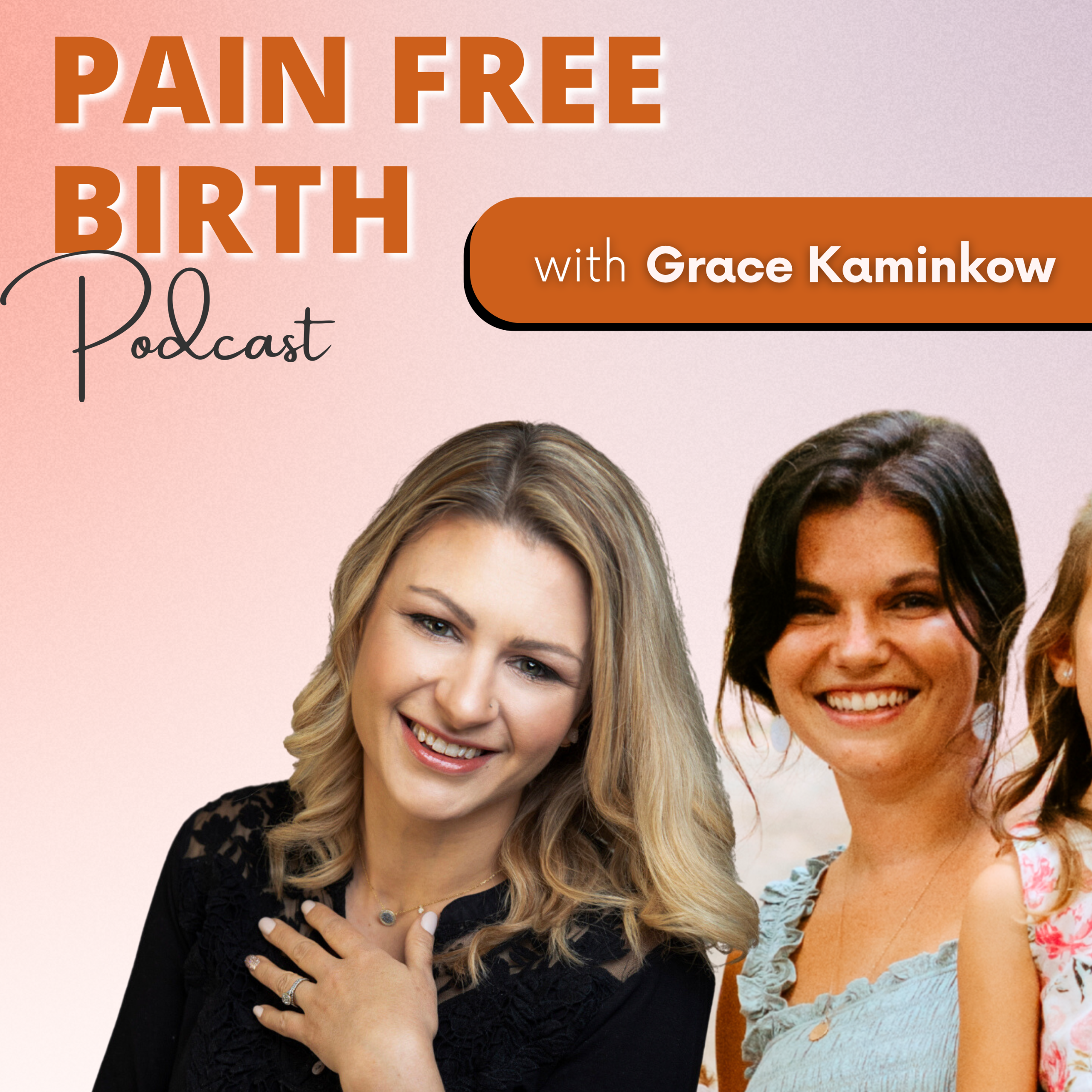
This is exactly what happened for Grace Kaminkow. After a traumatic first birth that ended in an emergency c-section, Grace walked a journey of healing and discovery that eventually led her to experience two home births—including one that was nearly pain-free. Her story is not only about overcoming birth trauma but also about the power of faith, preparation, and the courage to choose a different path.
In this blog, we’ll walk through Grace’s journey from fear to freedom, highlighting the key moments of her story while weaving in practical insights for moms who are considering a VBAC home birth, hoping for a redemptive birth story, or seeking encouragement after a difficult start.
Terrified of Birth: The Beginning of Grace’s Story
Like many women, Grace entered her first pregnancy filled with fear. She admits she was “terrified of birth” and focused more on postpartum recovery than on learning about labor itself. Her mindset was common: show up at the hospital, get the epidural, and let the doctors take charge.
Grace’s birth plan was simple: stay home until the contractions became too much, then head to the hospital for pain relief. She believed this approach would guarantee a smooth, pain free birth thanks to modern medicine.
But birth didn’t go as she hoped.
The Emergency C-Section That Changed Everything
When Grace arrived at the hospital, she was just three centimeters dilated. Her doctor encouraged her to stay, adding, “If you need Pitocin, we’ll give it to you.”
By six centimeters, she was offered the epidural, which she accepted. Almost immediately after, her water broke and her baby’s heart rate began to decelerate. Nurses rushed into the room and never left her side. Within a couple of hours, Grace was told she had no other options and was wheeled into surgery.
The anesthesiologist’s words to her husband still haunt them: “We’ll see what the outcome is—baby or mom.”
Grace, remarkably, remained calm. But her husband was pale as a ghost, terrified that he might lose her. Their daughter was born screaming and appeared healthy, but then she was taken away without explanation. Grace didn’t meet her baby again for two and a half hours.
This experience left deep wounds. Grace describes herself as the “perfect compliant patient,” yet she and her husband walked away with trauma, unanswered questions, and a shaken faith in hospital birth.
Clinging to Faith in the Aftermath
While Grace leaned on Scripture for comfort—reciting verses like “God has not given us a spirit of fear, but of power and love”—her husband broke down under the weight of the experience. He later admitted that in those moments he prayed, “God, if you take my wife, I will still love you.”
The contrast between their perspectives revealed just how damaging the experience had been, not only for Grace but also for her husband. The lack of clear communication and the unnecessary separation from their newborn left them confused and shaken.
For many families, this is the reality of an emergency c section story: even when mother and baby are safe, the emotional scars can linger for years.
Discovering VBAC and a Better Way
Determined not to repeat her first experience, Grace began researching her options for a second birth. She soon discovered resources like The VBAC Link, Pain Free Birth, and other communities that shared success stories of vaginal birth after cesarean.
Through her research, Grace learned about the cascade of interventions—how one medical procedure often leads to another, eventually ending in a cesarean. She realized her hospital had a cesarean rate over 40% and concluded, “We’re not going back there.”
The idea of a VBAC home birth began to take root.
Convincing Her Husband
Grace knew she couldn’t make the decision alone. Her husband, still traumatized from the first birth, was adamantly against the idea of home birth at first. His response was blunt: “Absolutely not.”
But Grace didn’t give up. She asked him to pray about it and began slowly planting seeds. She handed him books and articles, wrote note cards summarizing her research, and encouraged him to listen to podcasts about home birth after c section.
Her persistence paid off when she connected with a midwife whose first words over the phone were: “This is a miracle from God, and that’s how I treat it.”
Grace instantly knew she had found the right provider. When her husband spoke with the midwife himself, he was reassured by her knowledge, experience, and the time she took to answer every question. Unlike their OB, who gave them only minutes of attention, this midwife spent over 30 minutes explaining everything in detail.
For the first time, her husband felt peace about moving forward with a home birth.
The Redemptive Second Birth
Grace’s second birth was nothing like her first. Supported by a midwife and a doula, she labored at home in peace. Her husband, though nervous at first, was able to be fully present thanks to the encouragement and guidance of their doula, who also supported him through the process.
When their baby was born safely at home, her husband collapsed into tears of joy and relief. Grace describes the atmosphere as one of complete peace—no fear, no panic, just joy.
This redemptive birth story healed so much of the trauma from her first experience. Grace left the birth not only physically well but also mentally and spiritually renewed.
Protecting Peace in Birth
One of the lessons Grace learned was the importance of protecting her peace. For her third pregnancy, she and her husband chose not to share their home birth plan widely. She knew her family’s fears and opinions, though well-meaning, could creep into her mindset and create unnecessary anxiety.
Instead, she invited only trusted friends to pray over her birth. She focused on keeping her heart and home filled with encouragement rather than fear.
This principle of protecting your birth space is something Grace now encourages other moms to consider, especially if they have unsupportive family members or friends.
The Third Birth: Worship, Peace, and a Nearly Pain-Free Experience
Grace’s third birth turned out to be her most profound yet.
Labor began at night, and instead of rushing into activity, Grace chose to rest. She labored in bed quietly, breathing through contractions, and even managed to sleep between them. Her husband, known for struggling without sleep, was able to rest as well—something that would prove invaluable later.
In the early morning hours, Grace and her husband shared what she describes as one of their sweetest memories: sitting in the bathroom together, eating crackers, laughing, and listening to worship music while contractions came and went.
When she finally shifted into hands-and-knees position, her baby was born quickly—in just 12 minutes. Unlike her first two births, this one was almost entirely pain free. Grace describes the contractions as feeling like “a muscle contracting and releasing,” not the overwhelming pain she once feared.
For Grace, this was not only a supernatural birth testimony but also an answer to prayer. She had asked God to help her remain calm and focused, and He met her in every detail.
Faith Over Fear in Childbirth
Throughout her story, Grace highlights the role of faith in transforming her experience of birth. She moved from terror and trauma to peace and joy by surrendering her fears to God and reframing birth as an act of worship.
Her encouragement to other mothers is simple but profound:
-
You didn’t fail. A traumatic birth doesn’t define you.
-
Prepare and learn. Equip yourself with knowledge about VBAC success stories and home birth preparation.
-
Protect your peace. Surround yourself with encouragement and limit exposure to fear-based opinions.
-
Pray boldly. Make your requests to God, even for things that seem impossible, like a pain free birth.
-
Hold birth loosely. Trust God with the outcome, whether it unfolds exactly as you hoped or takes a different turn.
Key Takeaways
-
Birth trauma is real, but recovery is possible.
-
A vaginal birth after cesarean is safe for many women, especially with the support of experienced midwives.
-
Protecting your birth space and mindset is critical.
-
Faith, prayer, and worship can transform the experience of labor.
-
Every birth is unique, but redemption is possible after even the most difficult beginning.
Final Encouragement
Grace’s story beautifully illustrates how God can redeem even the most traumatic start and turn it into a testimony of peace, joy, and worship. If you’re preparing for a VBAC, considering a home birth after c section, or recovering from a traumatic birth experience, let her journey encourage you: you are not broken, you are not a failure, and with preparation and faith, your next birth can be different.
More about Tommi:
Want to Experience a Faith-Filled Birth Too?
If you’re ready to transform your mindset and birth with peace and purpose, check out the free Unlocking a Pain Free Birth Masterclass. Discover the 3 keys to a Pain-Free birth so you can experience the joyful, supernatural power of birth the way God designed it.