The Nervous System, the Missing Key to Pregnancy, Birth, and Healing
What if many of the challenges women experience during pregnancy, birth, postpartum, and even fertility were not signs of broken bodies, but signs of nervous systems asking for safety?
Modern motherhood often teaches women to override their bodies. We push through stress, ignore exhaustion, suppress emotions, and normalize discomfort. During pregnancy, this pattern intensifies. Women are told to expect pain, anxiety, fear, and loss of control, especially during birth. Yet the female body was designed with extraordinary intelligence, adaptability, and capacity for healing.
In this episode of the Pain Free Birth Podcast, Karen sits down with Dr. Scherina Alli, a network spinal chiropractor specializing in nervous system focused care for pregnant women, babies, and families. Their conversation opens the door to a deeper understanding of how the nervous system shapes every aspect of our reproductive experience, from conception and pregnancy to birth, postpartum, and beyond.
This is not a conversation about forcing outcomes or achieving perfection. It is an invitation to return to trust, presence, and safety within the body.
Understanding the Nervous System and Why It Matters So Much
The nervous system is the body’s communication highway. It controls movement, digestion, hormones, emotional regulation, immune response, and how we perceive safety or threat. When the nervous system is regulated, the body can adapt, heal, and function efficiently. When it is dysregulated, the body shifts into survival mode.
Survival mode is not inherently bad. It is essential in moments of danger. The problem arises when the body remains stuck there long term.
Chronic stress, unresolved trauma, emotional suppression, and even physical strain can keep the nervous system locked in a state of fight, flight, or freeze. Over time, this shows up as anxiety, chronic pain, hormonal imbalance, fertility struggles, pregnancy complications, difficult births, postpartum challenges, and infant regulation issues.
Dr. Scherina explains that chiropractic care focused on the nervous system is not about cracking bones or chasing symptoms. Network spinal care works by gently contacting specific areas where the spinal cord is anchored, particularly in regions associated with parasympathetic regulation. These gentle contacts invite the body out of protection and into safety.
When safety returns, the body remembers how to function.
The Body Holds Stress, Even When the Mind Moves On
One of the most powerful themes in this conversation is the idea that the body keeps the score. While women may intellectually process experiences, emotions are often stored physically.
This is why someone can understand their fear, trauma, or grief mentally, yet still feel tension, pain, anxiety, or emotional overwhelm in their body. Talking alone is not always enough.
Dr. Scherina describes her work as a form of body based therapy. She does not guide patients through verbal processing or emotional coaching. Instead, she listens to the body. Through breath patterns, posture, muscle tone, and movement, the body reveals where stress is held.
As the nervous system begins to regulate, emotional release often follows naturally. Tears, memories, sensations, or realizations can surface without force or analysis. This process does not require reliving trauma. It requires safety.
This is particularly important for women, who are often conditioned to suppress emotions in order to function, care for others, and maintain control.
Why Colic Is Not a Diagnosis, But a Message
One of the most eye opening parts of the conversation centers on babies and the idea of colic.
Colic is often treated as a phase, something babies simply grow out of. Parents are told to wait it out, try gas drops, change formulas, or accept that some babies cry more than others. Dr. Scherina challenges this narrative.
In her experience, colic is not a condition. It is a sign of discomfort and nervous system dysregulation.
Babies cannot communicate with words, but they communicate constantly through their bodies. Excessive crying, reflux, sleep struggles, nursing difficulties, stiffness, head turning preferences, flat spots, and aversion to car seats are all signals that something feels off.
Birth itself places enormous pressure on a baby’s nervous system. Even physiological births can create tension patterns, especially in the neck, spine, and sacrum. When these patterns are not addressed, babies adapt by crying, arching, or avoiding certain positions.
Dr. Scherina emphasizes that babies do not simply grow out of these patterns. They grow into them. Early signs of dysregulation can later show up as sensory challenges, emotional regulation struggles, attention difficulties, or physical issues.
Supporting the nervous system early is not about labeling babies. It is about listening.
Pregnancy, Stress, and the Need for Safety
Pregnancy is a time of profound vulnerability. Hormones shift, identity changes, and the body prepares to sustain new life. During this time, the nervous system is especially sensitive to stress.
When a pregnant woman feels unsafe, whether emotionally, physically, or psychologically, her nervous system responds accordingly. Stress hormones increase. Muscles tighten. Breath becomes shallow. Pelvic tension increases. Labor can become more challenging when the body remains in protection mode.
Dr. Scherina encourages pregnant women to prioritize nervous system regulation just as much as nutrition, movement, and prenatal care.
Simple practices can make a significant difference. Gentle movement, especially of the pelvis, supports both physical alignment and nervous system flow. Breathwork helps shift the body into parasympathetic regulation. Body awareness allows women to recognize when stress is present before it escalates.
Prenatal chiropractic care that focuses on the nervous system can help the body remain adaptable and responsive as pregnancy progresses.
Trusting the Intelligence of the Body
One of the most profound messages woven throughout this episode is the reminder that the body is intelligent.
Women are often taught to distrust their bodies. A diagnosis, a complication, or a traumatic experience can quickly lead to the belief that the body has failed. This loss of trust is especially common in fertility challenges, autoimmune conditions, and traumatic births.
Dr. Scherina gently reframes this narrative. The body is not broken. It is responding to stress, environment, and experiences in the best way it knows how.
When women lose trust in their bodies, they often outsource authority entirely. They feel disconnected from intuition and overwhelmed by conflicting advice. Rebuilding trust begins with listening again.
Listening to breath. Listening to tension. Listening to emotional responses. Listening to sensations.
This does not mean ignoring medical support. It means partnering with the body rather than overriding it.
A Home Birth Rooted in Presence, Not Perfection
Dr. Scherina’s birth story offers a powerful example of what happens when trust, presence, and preparation come together.
From early pregnancy, she knew she desired a home birth. This choice was not rooted in fear of medical care, but in a desire for privacy, autonomy, and a calm environment. She prepared not by controlling outcomes, but by supporting her nervous system through breathwork, chiropractic care, and deep body awareness.
Her labor progressed quickly and intuitively. Rather than resisting sensations, she welcomed them. Each contraction was understood as progress rather than danger. Her mindset remained focused on presence rather than fear.
This did not make labor sensationless. She felt intensity, expansion, and the well known ring of fire. Yet she describes these sensations not as trauma, but as information.
Being fully present allowed her to notice details that many women miss. She felt her baby working with her. She felt the coordination between her body and her baby. She felt awe rather than panic.
Her story is not presented as a standard to meet, but as a reminder of what is possible when women feel safe and supported.
Presence Changes Everything in Birth
One of the most important takeaways from this conversation is the role of presence.
Many women fear birth not only because of pain, but because of the unknown and the loss of control. Disconnection becomes a coping mechanism. While there is no shame in choosing pain management, the conversation invites women to consider another option.
Presence.
When women remain present, anxiety often decreases. Sensations become meaningful rather than overwhelming. The body’s cues become clearer. Decision making becomes more intuitive.
Presence requires practice. It is built through body awareness, breath, and trust long before labor begins.
Birth does not demand perfection. It asks for participation.
Fertility, Trauma, and Creating Space for Life
For women navigating infertility or past trauma, this conversation offers both compassion and hope.
Dr. Scherina acknowledges the pain of longing for pregnancy and the frustration that comes with feeling betrayed by one’s body. She emphasizes that infertility, like many diagnoses, often disrupts trust.
When the nervous system remains in a state of chronic stress, the body prioritizes survival over reproduction. This is not a failure. It is a protective response.
Creating space for life often begins with creating safety.
This may include addressing suppressed emotions, chronic stress patterns, or unresolved trauma. It may involve learning to slow down, express needs, and reconnect with the body.
Fertility is not just about hormones. It is about environment, safety, and trust.
Recognizing Stress Versus Safety in Everyday Life
One of the most practical aspects of this episode is the discussion around recognizing when the body feels safe versus stressed.
Dr. Scherina encourages women to notice how they feel in different environments and around different people. Do shoulders tense? Does breath shallow? Does the body feel guarded or open?
These cues provide valuable information.
Simple practices like relaxing the shoulders, taking a deep breath, and pausing before reacting can interrupt stress cycles. Over time, these small moments of awareness rebuild nervous system flexibility.
Safety is not the absence of challenge. It is the presence of support.
The Invitation for Mothers
This conversation is not about achieving a perfect pregnancy or ideal birth. It is about returning to relationship with the body.
When women learn to listen, trust, and respond with compassion, the body often meets them with resilience and wisdom.
Babies benefit when mothers feel safe. Birth unfolds more smoothly when fear is replaced with presence. Healing accelerates when the nervous system is supported rather than ignored.
The body knows what to do when it feels safe enough to do it.
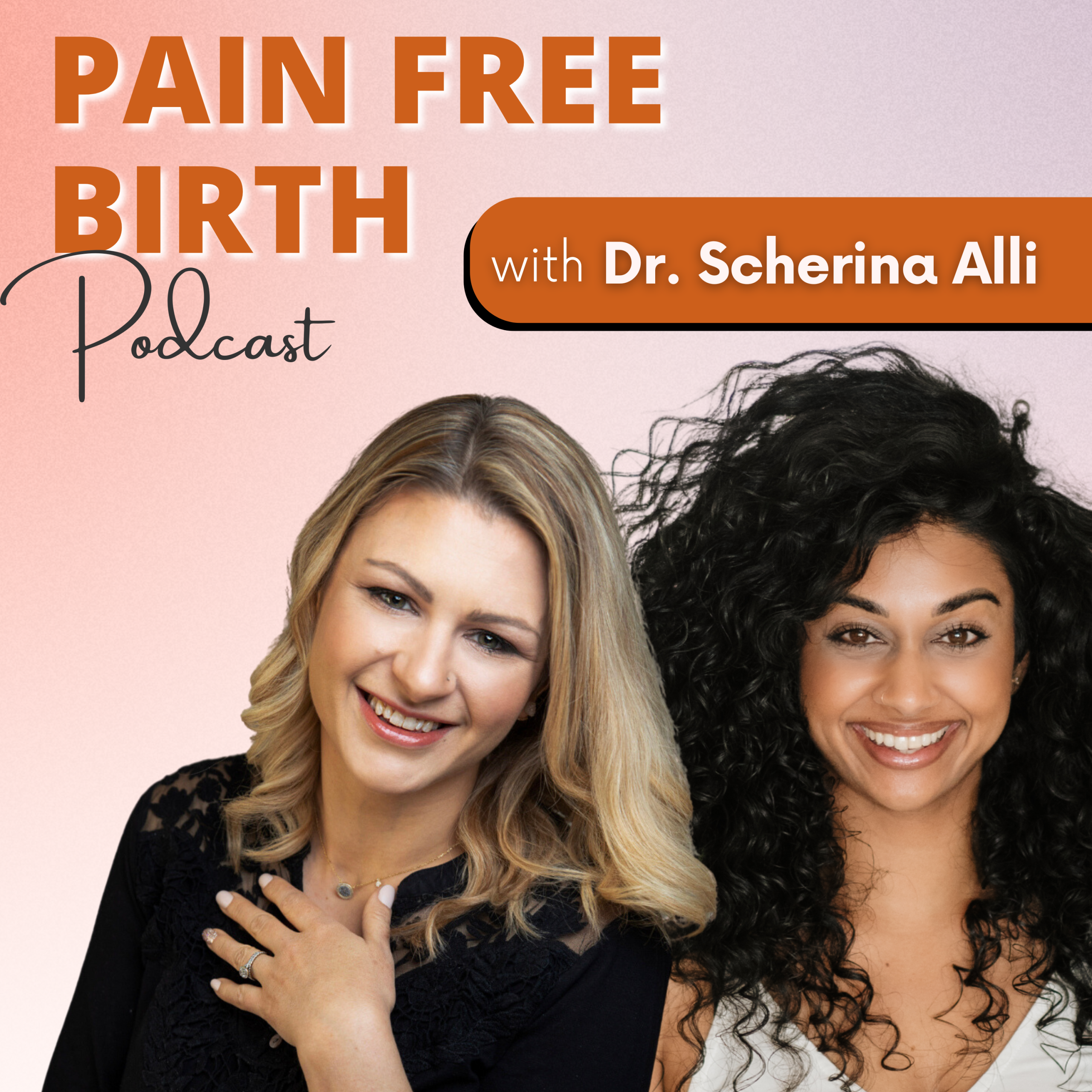
More about Dr. Scherina Alli:
Want to Experience a Faith-Filled Birth Too?
If you’re ready to transform your mindset and birth with peace and purpose, check out the free Unlocking a Pain Free Birth Masterclass. Discover the 3 keys to a Pain-Free birth so you can experience the joyful, supernatural power of birth the way God designed it.