A First Time Home Birth That Rewrote Every Fear
For many women, the idea of a first time home birth feels like standing at the edge of something beautiful and terrifying all at once. There is often excitement mixed with hesitation, confidence tangled with fear, and hope layered over deeply ingrained narratives about how birth is “supposed” to go the first time.
First births are commonly described as long, exhausting, unpredictable, and something to simply survive rather than experience with peace. Even within natural birth spaces, there can be subtle messaging that a first home birth is harder, riskier, or something best attempted after you have already “proven” your body once.
Katie Brambila knew these narratives well.
As a midwifery student, she had attended close to one hundred births before ever becoming pregnant herself. She had seen beautiful physiological home births unfold with power and peace. She had also seen transfers, exhaustion, and the reality that first births often take longer and ask more of the body.
Yet Katie’s own first birth story became a powerful testimony, not just of what the body can do, but of what happens when fear is named, surrender is embraced, and trust is chosen with intention.
Her story reminds us of something essential. Knowledge does not eliminate fear. Experience does not remove the need for preparation. And even women deeply immersed in birth work must still walk their own journey of trust.
When Experience Brings Both Confidence and Fear
Katie entered pregnancy with a unique kind of preparation. Nearly three years of midwifery school. Dozens upon dozens of home births witnessed. Hands-on experience supporting women through labor, transition, pushing, and postpartum.
In many ways, this gave her a deep reverence for physiological birth. She had seen the female body work as it was designed to. She trusted birth. She trusted women.
But with that knowledge also came something else.
She had absorbed, often unintentionally, the idea that first time home births were harder. That first time moms transferred more often. That exhaustion was common. That the first birth was almost a rite of passage to get through before the “better” births came later.
Some of this was factual. Statistics do show higher transfer rates for first time home birth mothers, often due to exhaustion rather than emergency. But facts, when carried without context or hope, can quietly shape fear.
Katie recognized that these narratives were living in her mind, even though she had also seen many beautiful first home births. She realized that if she did not address these fears intentionally, they could follow her into labor.
So she did something powerful.
She chose to rewrite the story.
Naming Fear Instead of Ignoring It
One of the most important lessons from Katie’s story is that fear loses power when it is named.
Rather than pretending she was unaffected by what she had seen and learned, Katie acknowledged her fears honestly. She recognized that being a first time mom did not make her immune to doubt. In fact, it meant she needed to prepare her heart even more intentionally.
She had learned early in her midwifery training that vague fear feels overwhelming, but specific fear can be addressed. Instead of saying, “I’m scared,” she learned to ask, “What exactly am I afraid of?”
This approach changed everything.
She began identifying specific fears and then intentionally countering them with truth, prayer, and positive reinforcement. She returned to birth story podcasts, specifically seeking out first time home birth stories that showed what was possible.
Not perfect stories. Real stories.
Stories of women who labored for the first time, trusted their bodies, and birthed their babies at home with strength and peace.
This practice did not deny reality. It balanced it.
Fear thrives in isolation. Hope grows in community and testimony.
Mental Preparation Is Not Optional
One of the strongest themes in Katie’s journey is the power of mental preparation, especially for first time mothers.
Even with years of hands-on experience, Katie knew that birth would ask something different of her emotionally and mentally than anything she had done before. Supporting another woman through labor is not the same as surrendering your own body to the process.
She intentionally returned to tools that supported her mind and nervous system. She listened to Christian hypnobirthing tracks. She practiced breathing. She created rhythms of calm and focus during pregnancy, especially in the third trimester.
These practices were not about control. They were about familiarity.
When the body recognizes calm, labor flows differently.
Katie also wrestled deeply with the concept of surrender. As someone who understood birth physiology so well, she found herself struggling with the idea of releasing her hopes to God.
She feared that surrender meant letting go of her desires and bracing for disappointment.
Then, in a conversation with her doula, something shifted.
Her doula gently reframed surrender, not as releasing her hopes into uncertainty, but as placing them into loving hands. Surrender was not abandonment. It was closeness.
That moment became foundational.
Praying With Boldness and Trust
Another defining part of Katie’s preparation was prayer. Not vague, general prayers, but bold, specific ones.
She prayed for a labor under twelve hours, something many would consider unlikely for a first birth. She prayed for connection with her husband, for teamwork and reliance on one another. She prayed to catch her baby, to deliver her own placenta, and for God’s presence to be unmistakable in the room.
These prayers were not demands. They were expressions of trust and hope.
Katie held them with open hands, acknowledging that birth does not always unfold as we desire, yet believing that God is present regardless.
What is striking is how many of those prayers were answered.
Her labor progressed steadily and efficiently. Her husband became her anchor. She caught her baby with her own hands. She delivered her placenta herself. The atmosphere was peaceful, grounded, and deeply spiritual.
Her story reminds us that prayer does not guarantee a specific outcome, but it does shape our posture. It aligns the heart with trust rather than fear.
Labor Begins Gently and Unexpectedly
Katie’s labor did not begin with dramatic contractions or urgency. It began with movement, nesting, and a sense of wellbeing.
The day before her daughter was born, she attended a blessing way surrounded by other women. She felt supported, celebrated, and loved. Oxytocin was flowing freely.
Later that day, she ran errands, stocked up for postpartum, cleaned, organized, and nested with energy. She felt good in her body. She did not feel desperate for labor to begin.
That night, subtle signs appeared. Mild cramps. A sense that something was shifting.
The next morning, she lost her mucus plug but brushed it off, fully expecting to go past her due date. She continued nesting, cleaning, and preparing her home.
Only later did she realize that her water had begun leaking.
This slow, gentle beginning allowed her nervous system to remain calm. There was no rush. No panic. No forcing.
Labor was invited, not demanded.
Safety, Presence, and the Nervous System
One of the most powerful moments in Katie’s story came when she was deciding whether to call her husband home from work.
He was scheduled for a long shift. She was not contracting consistently. She debated waiting, not wanting to disrupt plans unnecessarily.
But as the day went on, something in her heart knew she wanted him there.
When he arrived home, contractions became stronger and more regular.
This moment highlights something we often overlook. The body does not labor best under uncertainty. Safety, emotional presence, and support are not luxuries. They are biological needs.
When Katie felt secure, her body moved forward.
Active Labor and Finding Focus
As contractions intensified, Katie turned to the tools she had practiced throughout pregnancy. She labored in the bath, listened to familiar tracks, and focused on breath.
When labor progressed and the tub no longer felt right, she moved instinctively. She leaned on her husband. She vocalized. She walked.
She called her doula when contractions became overwhelming mentally, not because she was failing, but because she recognized the need for support.
By the time her doula arrived, contractions were close together and strong. Even then, Katie experienced a bit of disbelief that labor was truly happening.
This is common, even among experienced birth workers.
Sometimes we need someone outside ourselves to gently affirm, “Yes, this is real. Your body is doing this.”
Transition, Doubt, and the Power of Perspective
Like so many women, Katie reached a moment where doubt crept in.
She did not know how far along she was. She had chosen not to be checked earlier. Without a timeline, fear whispered, “What if this lasts forever?”
She remembers saying things like, “I see why people get epidurals.”
Not because she wanted one, but because she finally understood the intensity that leads women to seek relief.
This moment, often called transition, is where many women question themselves. It feels overwhelming because everything is shifting.
What Katie did next is crucial.
She returned to breath. She returned to focus. She took labor one contraction at a time.
When her doula eventually encouraged her to be checked, the information brought instant relief. She was fully dilated, and her baby had already descended significantly.
Perspective changed everything.
What had felt unbearable suddenly made sense. Her body was not failing. It was finishing.
Pushing With Instinct and Strength
Once Katie allowed herself to actively push, everything shifted again.
Pushing felt intense, powerful, and strange all at once. Her body took over, and she followed its lead. She felt her baby moving down. She felt the work she had been preparing for.
Because of her training, she was familiar with how effective pushing feels. She trusted herself. She engaged fully.
Within thirty minutes of active pushing, her daughter was born into the water.
Her husband caught the baby, and then Katie brought her daughter up into her own hands. The baby cried quickly and transitioned beautifully.
It was calm. It was powerful. It was sacred.
Autonomy and Ownership in Birth
One of the most empowering aspects of Katie’s birth was her sense of autonomy.
She did not want unnecessary touch. She declined frequent exams. She followed her instincts.
After the birth, she delivered her own placenta, something she had hoped for and prepared for. It was smooth, calm, and empowering.
This level of ownership does not come from controlling birth. It comes from being supported in listening to your body.
It comes from a birth team that trusts women.
Lessons for First Time Home Birth Mothers
Katie’s story offers profound encouragement for first time moms.
You do not need to wait until your second or third baby to trust your body. You do not need to earn a home birth. You do not need to be fearless.
You need preparation. You need support. You need to name your fears and choose truth intentionally.
Mental preparation matters. Prayer matters. Education matters. Support matters.
First time home birth is not reckless. It is not unrealistic. It is achievable, beautiful, and deeply transformative.
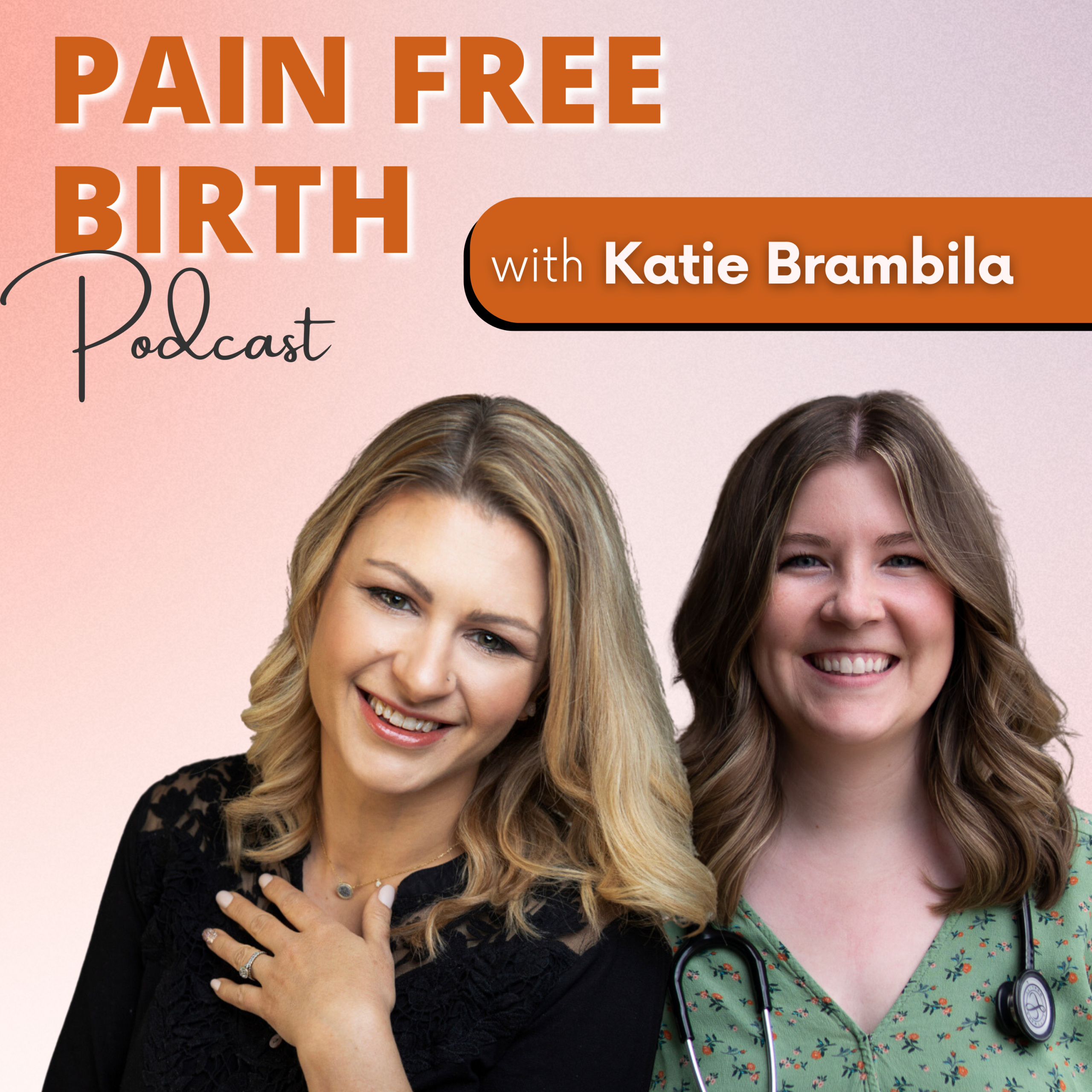
More about Katie Brambila:
Want to Experience a Faith-Filled Birth Too?
If you’re ready to transform your mindset and birth with peace and purpose, check out the free Unlocking a Pain Free Birth Masterclass. Discover the 3 keys to a Pain-Free birth so you can experience the joyful, supernatural power of birth the way God designed it.