Twin Home Birth Without Fear: A Story of Trust, Peace, and the Body’s Design
What if everything you’ve been told about twin birth isn’t the full picture?
What if a twin pregnancy, often labeled high risk from the very beginning, could still lead to a peaceful, undisturbed, even pain-free birth experience?
For many women, the moment they hear “you’re having twins,” the narrative quickly shifts from excitement to caution. Increased monitoring, discussions of early induction, and the assumption of cesarean delivery often follow close behind. While medical care has its place, what is often missing is a balanced conversation about what the body is capable of doing naturally.
Victoria McGuckin’s story offers a powerful and refreshing perspective. Her journey reveals what can happen when a woman steps outside of fear-based messaging, surrounds herself with aligned support, and leans deeply into trust, both in her body and in God’s design.
This is not just a twin birth story. It is a story of reclaiming confidence, protecting peace, and discovering what is truly possible.
When Joy Meets Fear: The Reality of a Twin Diagnosis
Victoria discovered she was pregnant with twins during a routine appointment, a moment that should have been filled with awe and celebration. Instead, it quickly became overwhelming.
She learned she was carrying monochorionic diamniotic twins, meaning the babies shared a placenta but had separate sacs. This classification often triggers a higher level of concern in the medical system, even when the pregnancy is otherwise healthy.
Almost immediately, her care shifted into a high-risk framework. Frequent specialist visits were recommended. Conversations about potential complications began early. And before her pregnancy had even fully settled in, she was asked questions that deeply shook her.
Was she sure she wanted to continue the pregnancy?
Would she consider reducing one of the twins?
There was no complication. No diagnosis. No immediate concern. Yet the assumption was that intervention might be necessary.
This is where many women begin to internalize fear.
Victoria found herself questioning everything. Is my body capable of this? Is something wrong with me? Why does this feel like a problem instead of a miracle?
These are the subtle but powerful ways fear begins to shape the birth experience long before labor ever starts.
The Standard Path for Twin Birth, and Why It Didn’t Feel Right
As her pregnancy progressed, Victoria began learning more about what a typical twin birth looks like in the hospital system.
In many cases, women are encouraged or required to:
- Deliver before full term
- Be induced around 37 to 38 weeks
- Labor in one room, then move to an operating room for delivery
- Prepare for the possibility of both vaginal birth and cesarean in the same experience
One of the most concerning realities is what can happen after the first baby is born. If the second baby is not in an ideal position, many providers default to cesarean, not necessarily because the body cannot birth the baby, but because the provider may not be trained in techniques like breech extraction.
For Victoria, this created a deep sense of unease.
She knew instinctively that the environment, the lighting, the constant monitoring, and the lack of continuity in care would make it difficult for her body to relax. And if the body cannot relax, it cannot fully open.
Birth requires safety.
Without it, the process becomes harder, longer, and more likely to be interrupted.
Choosing a Different Story
Instead of accepting this path, Victoria and her husband began searching for another option.
They came across a story of a twin home birth in Colorado, a story that planted a seed of possibility. If someone else had done this, maybe she could too.
Eventually, they were connected with a midwife who specialized in twin home births, someone trained in both physiological birth and the unique dynamics of twins.
From the very first meeting, everything changed.
The fear that had been building began to lift. In its place came peace, clarity, and confidence.
Her midwife offered a perspective that would shape the rest of her journey.
Instead of focusing on everything that could go wrong, what if we focused on everything that could go right?
This shift was not about ignoring risks. It was about restoring balance and recognizing that the body is designed with intention.
Protecting Peace During Pregnancy
One of the most powerful decisions Victoria made was to actively protect her peace.
She recognized that fear is contagious. The stories we hear, the language used by providers, and the opinions of others all have the power to influence how we feel about birth.
So she set boundaries.
She chose not to listen to traumatic birth stories. She limited conversations that created anxiety. She surrounded herself with encouragement and truth.
She filled her mind with positive birth stories, especially those involving twins. Each story reinforced the belief that her body was capable.
This was not denial. It was intentional focus.
Because where the mind goes, the body follows.
Preparing the Body for Twin Birth
While mindset played a huge role, Victoria also supported her body physically in very intentional ways.
She stayed active throughout her pregnancy, walking daily and keeping her body mobile. Movement helps optimize baby positioning, supports circulation, and prepares the body for labor.
She also focused heavily on nutrition, consuming around 150 grams of protein each day. This level of nourishment is especially important in twin pregnancies, supporting both fetal growth and maternal strength.
Hydration, mineral intake, and gentle birth preparation exercises became part of her daily rhythm.
She spent time connecting with her body, listening to music, practicing relaxation, and visualizing a peaceful birth.
All of these elements worked together to create an environment where her body could thrive.
A Labor That Defied Expectations
When labor began, it did not follow a predictable pattern.
Victoria experienced contractions that came and went over several days. When things intensified, she expected to be further along, but an initial check showed she was only one centimeter dilated.
In many settings, this would be labeled as failure to progress.
But her midwife recognized something deeper.
Scar tissue from a previous birth was preventing the cervix from opening fully. With a gentle manual release, everything changed instantly.
Her body moved from one centimeter to nine centimeters almost immediately.
This moment highlights the difference between working with the body and working against it.
Instead of forcing intervention, her midwife removed the barrier and allowed the body to do what it was already trying to do.
Rethinking Pain in Birth
One of the most striking parts of Victoria’s story is how she describes her contractions.
They were intense, but not painful.
She compared them to running a marathon. Challenging, yes, but purposeful and manageable.
This distinction is important.
Pain often comes from tension and fear. When the body feels unsafe, it tightens. That tension creates resistance, and resistance creates pain.
But when the body feels safe, it can relax into the sensations of labor.
Victoria stayed connected to her breath. She relaxed her jaw, her shoulders, and her body. She allowed the sensations to move through her rather than fighting them.
Even during the most intense moments, she remained grounded.
The Role of Oxytocin and Emotional Safety
At one point during labor, Victoria felt stuck. Her body was working, but something needed to shift.
Instead of forcing progress, she chose connection.
She stepped away with her husband, creating a quiet, intimate space. This allowed her body to release oxytocin, the hormone responsible for both labor progression and feelings of safety and love.
This moment became a turning point.
Shortly after, her labor intensified, and her body moved into the pushing phase.
This is a powerful reminder that birth is not just physical. It is deeply emotional and hormonal.
Safety accelerates birth.
The Intensity of Pushing and the Power of Surrender
As she began pushing, Victoria described feeling intense pressure rather than pain.
Her body instinctively began making deep, primal sounds. Roaring, vocalizing, and moving freely helped her release tension and guide the babies downward.
Her first baby required more effort due to positioning, taking about 40 minutes to be born.
During this time, she experienced moments of doubt, the familiar feeling of “I can’t do this.”
But this is often a sign that birth is close.
Instead of giving in to fear, she stayed present. She moved, adjusted, and allowed her body to lead.
When her baby was finally born, the relief and joy were overwhelming.
The Beauty of Twin Birth
Just minutes later, her second baby was born with ease.
After a simple adjustment by her midwife, her body worked quickly and efficiently. The path had already been opened, and her body knew exactly what to do.
This is often the case in twin births.
Once the first baby is born, the second often follows more easily, especially with skilled support.
Both babies were placed on her chest. There was no rush, no urgency, no separation.
Just peace.
A Postpartum Rooted in Rest and Support
One of the greatest gifts of a home birth is the ability to remain in a familiar, comfortable environment.
Victoria did not have to leave her home. She did not have to be separated from her babies. She was able to rest, bond, and begin breastfeeding without interruption.
Her husband played a key role, supporting her by helping with nighttime care so she could get adequate sleep.
This level of support made a significant difference in her recovery.
Even with twins, she has been able to experience a sense of calm and stability in postpartum.
What This Story Means for You
Victoria’s story is not about doing birth one specific way.
It is about understanding that you have options.
It is about recognizing that your body is not broken.
It is about choosing care that aligns with your values and supports your vision.
For twin moms especially, this message is powerful.
You are not automatically destined for intervention.
You are allowed to ask questions.
You are allowed to seek different care.
And you are allowed to believe in a peaceful birth.
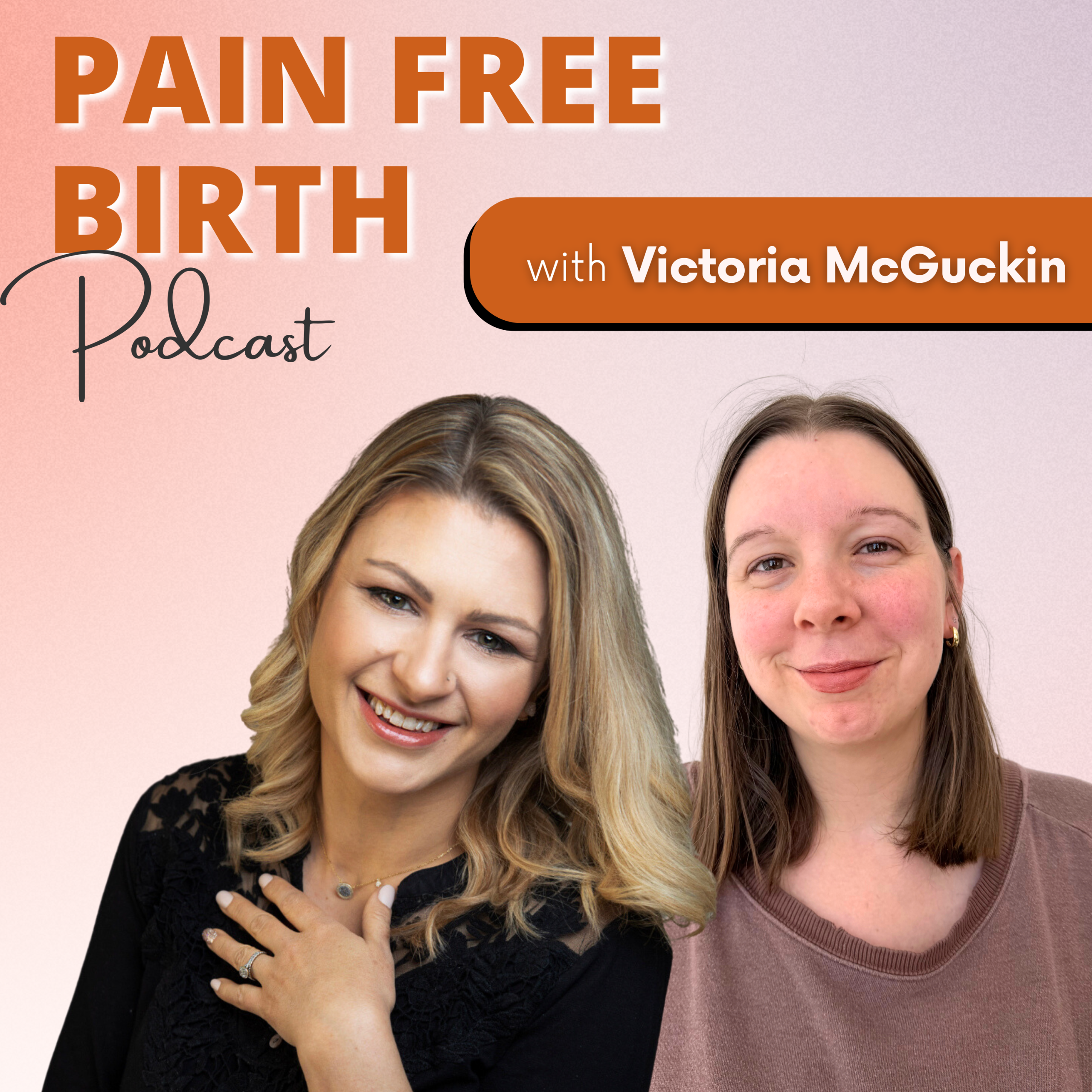
More about Victoria:
Want to Experience a Faith-Filled Birth Too?
If you’re ready to transform your mindset and birth with peace and purpose, check out the free Unlocking a Pain Free Birth Masterclass. Discover the 3 keys to a Pain-Free birth so you can experience the joyful, supernatural power of birth the way God designed it.